


Château Del Ranq
Languedoc (Pic Saint-Loup) – Claret
Thirteen hectares of garrigue in the Pic Saint-Loup, farmed biodynamically. Every parcel vinified separately, on wild yeasts, nothing added.
8 wines


Château Del Ranq
Languedoc-Roussillon


Château Del Ranq
Languedoc-Roussillon


Château Del Ranq
Languedoc-Roussillon


Château Del Ranq
Languedoc-Roussillon


Château Del Ranq
Languedoc-Roussillon


Château Del Ranq
Languedoc-Roussillon


Château Del Ranq
Languedoc-Roussillon


Château Del Ranq
Languedoc-Roussillon
Limestone, garrigue and two pairs of hands
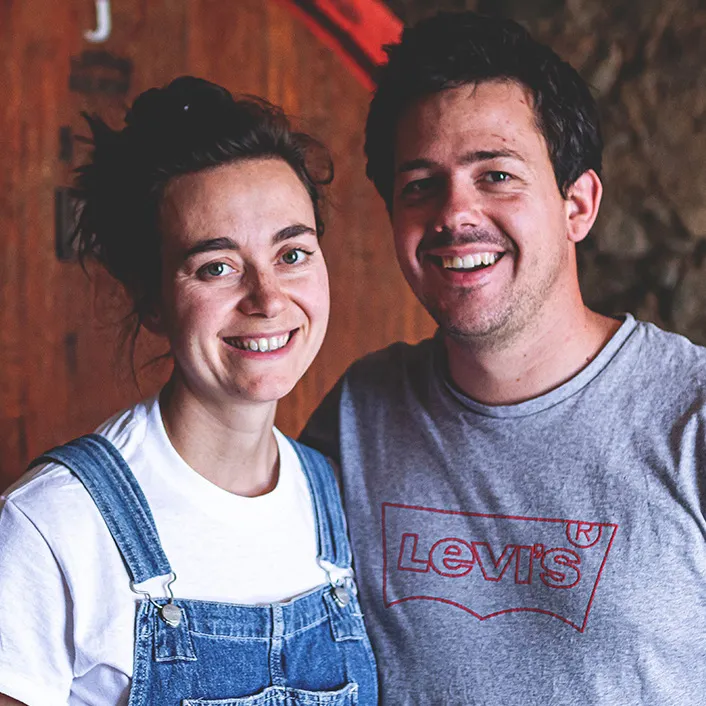
North of Montpellier, where the garrigue climbs the limestone cliffs of the Pic Saint-Loup, sits the village of Claret. Laure Barthélémy and Sébastien Freychet work thirteen hectares of vines here.
They started in 2018 with three hectares of their own. Two years later they took over the ten hectares of the family property — vines that have been in the family for generations and have always been worked with the greatest respect for the soil and the plant. The estate has been certified organic since 2009.
In the vineyard
Their starting point is almost banal in its simplicity: every parcel is different, and that difference is the only thing that matters. Observe, understand, and only then intervene — or not. They farm biodynamically, not as a label but as a way of reading the vineyard.
The soils are limestone and clay. In places the bedrock surfaces: layers of limestone and marl, with garrigue all around. That limestone is what you find in the glass — the freshness and salinity that make their reds feel so unlike the south.
In the cellar
Everything hand-harvested, in crates. Every parcel vinified separately. Fermentation on native yeasts. Ageing and bottling happen at the estate, by their own hands.
Nothing added to the wine, beyond a minimal dose of SO₂ if it’s genuinely needed.
The wines
The range runs from dangerously drinkable to serious cellaring. Le Poucèt — the name means water well — is exactly as thirst-quenching as that sounds. Rédarès and Château Del Ranq show Pic Saint-Loup the way the appellation rarely shows itself: light, mineral and taut rather than broad and warm.
Blanc de Noir is white wine from black grapes, a year on lees in barrel. La Cadène is barrel-fermented Sauvignon, something you’ll find almost nowhere else in the Languedoc. La Vertu is a Mourvèdre pét-nat at 11%, and L’Orbite a saignée rosé of Grenache and Cinsault.
And then there’s Le Ribou, the flagship: garrigue, eucalyptus and violet over a fresh, juicy frame. A wine to put away.
Several cuvées are also available in magnum, and the Château Del Ranq even in 300 cl.
Our other winemakers
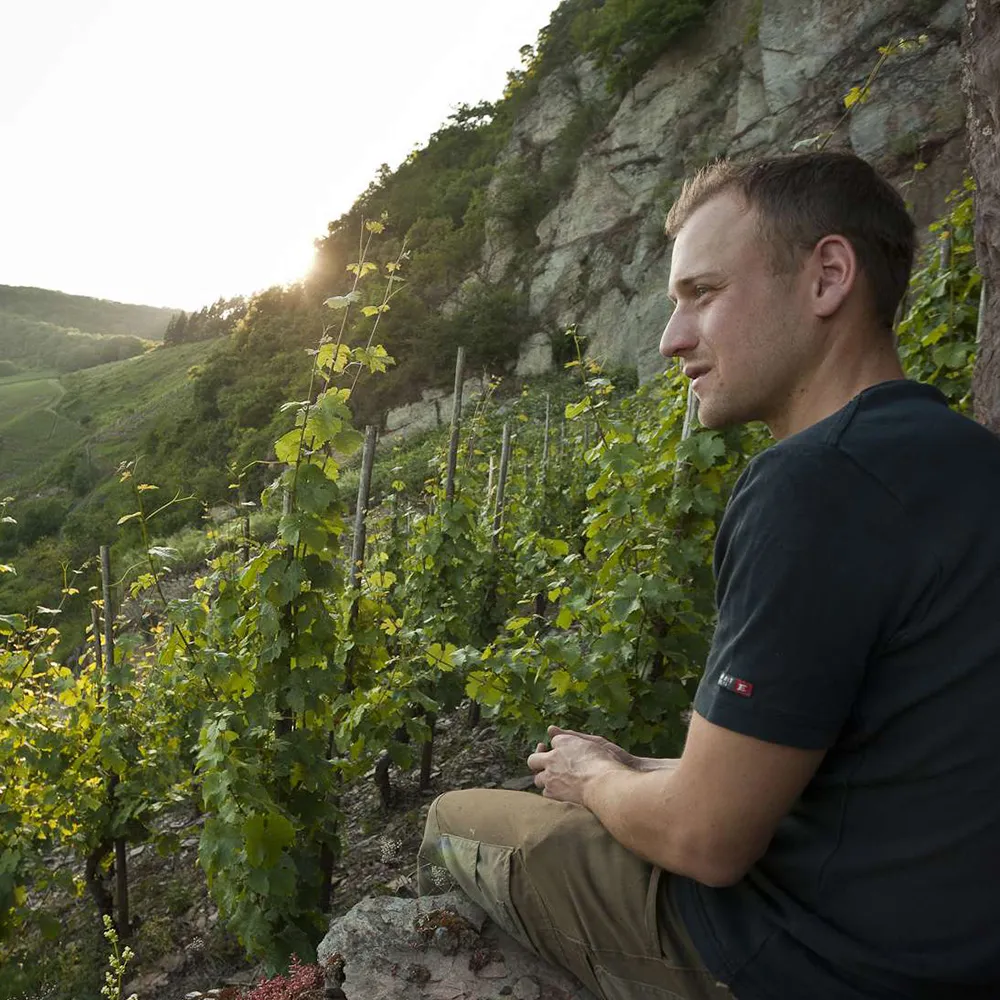
Clemens Busch
 Mosel – Pünderich
Biodynamic Riesling from the Mosel's steepest slate — vinified by slate type, from taut and elegant to wild and daring.
David Amling
Franconia – Würzburg
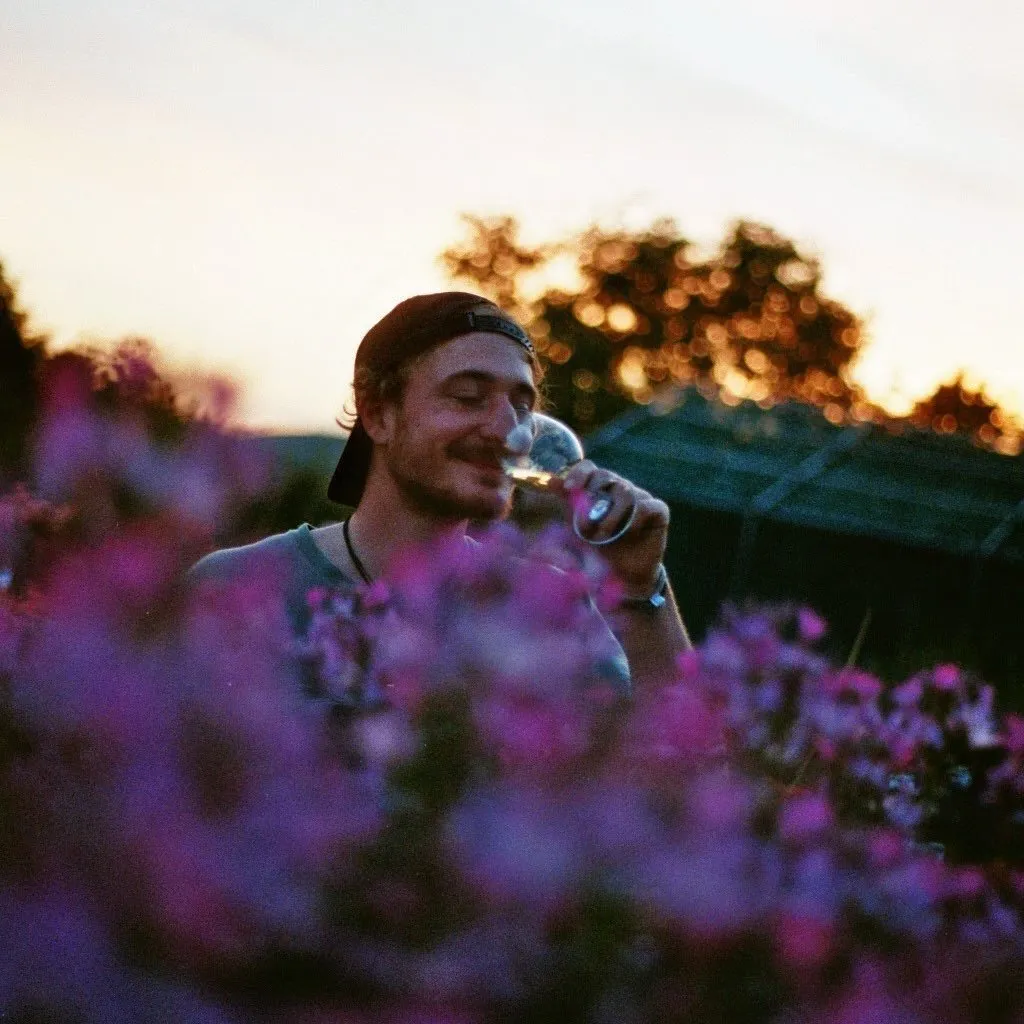
A young winemaker working in small batches with biodynamic grapes, obsessed with purity, freshness and terroir.
Domaine du Trait
Loire (Chinon) – Crouzilles
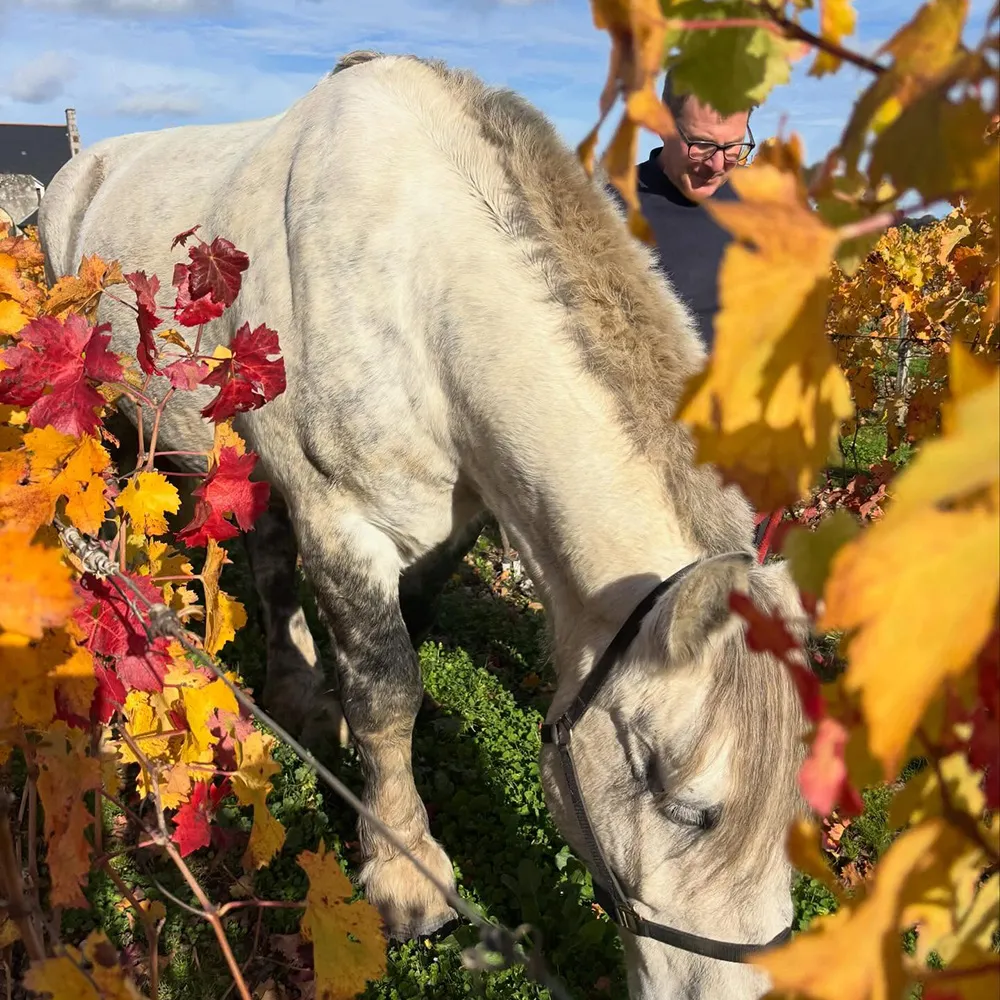
The home estate behind Honorie. In the heart of Chinon, Hadrien and Erwan work their vines with a draught horse — organic and free of artifice.
Kumpf & Meyer
Alsace – Rosheim
Family estate in Alsace, founded in 1997 — now, with winemaker Julien Albertus, a true natural-wine beacon in the region.
Malauva
 Umbria (Alfina plateau) – Castel Giorgio
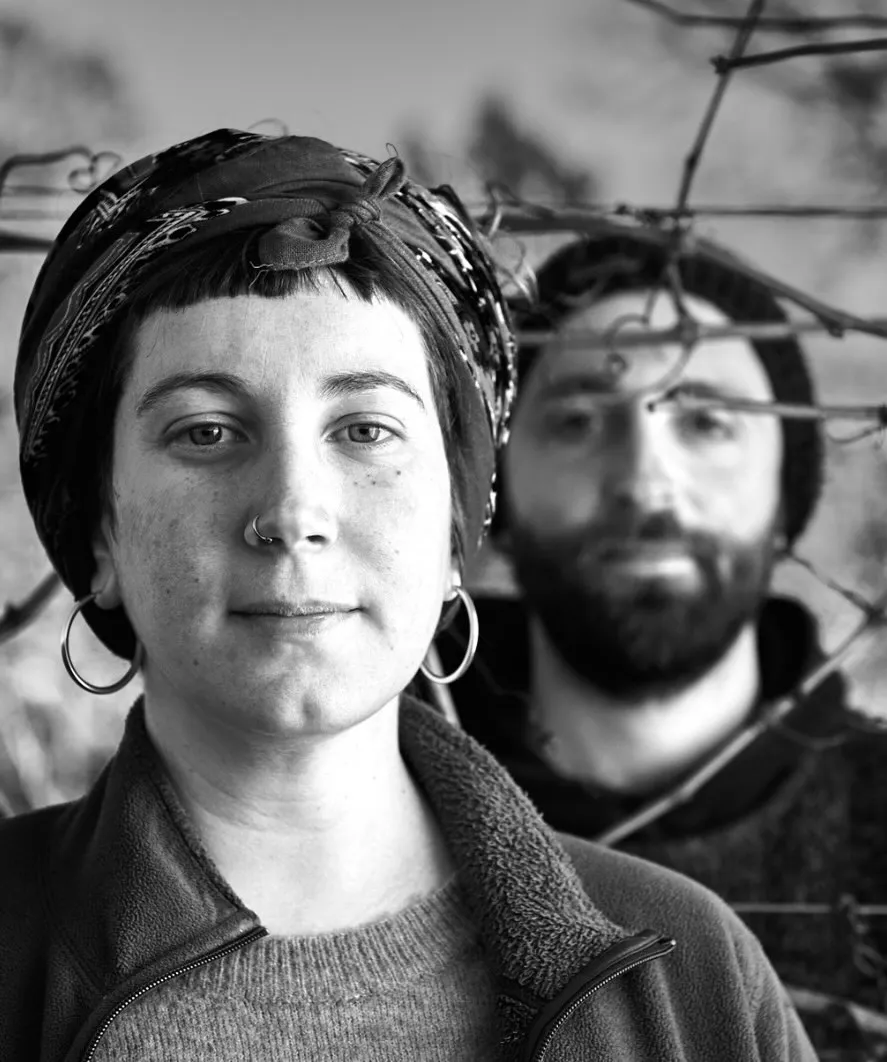
Casa agricola on the volcanic Alfina plateau, between Umbria, Lazio and Tuscany. Indigenous grapes, farmed organically — spontaneous ferments, unfiltered and unfined.
Naboso
 Little Carpathians – Svätý Jur
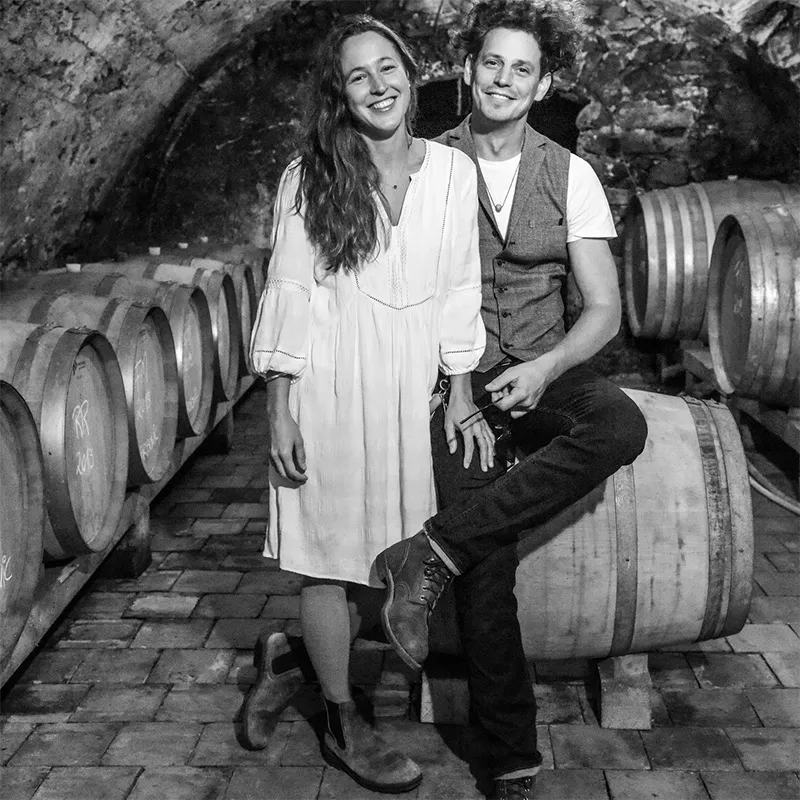
Naboso is the project of Nadja and Andrej, a couple making natural wines with character and precision in the picturesque village of Svätý Jur — about ten minutes outside Bratislava.
Rocco di Carpeneto
Piedmont (Alto Monferrato) – Carpeneto
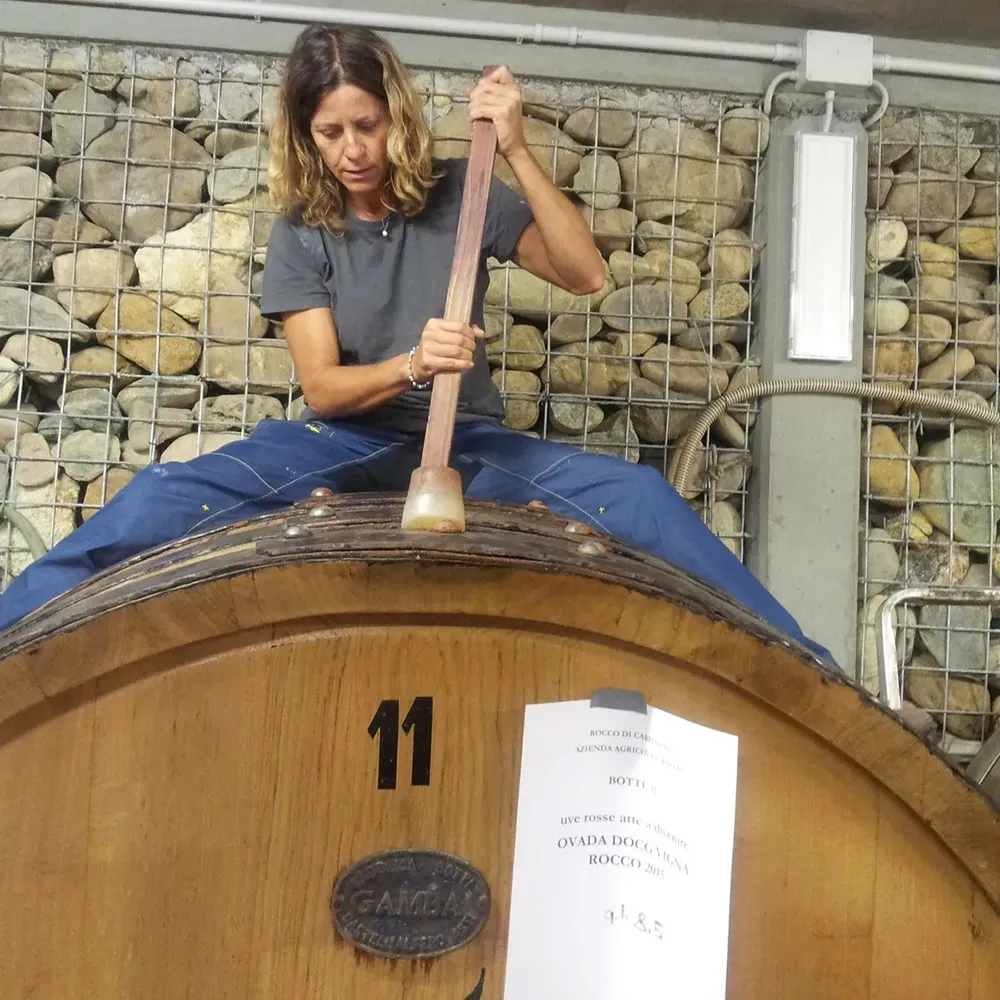
A strictly natural estate in the Alto Monferrato hills, focused on indigenous grapes and radically honest wines. Member of VinNatur and RAW Wine.
SHWUNG
 Ghent
Ghent
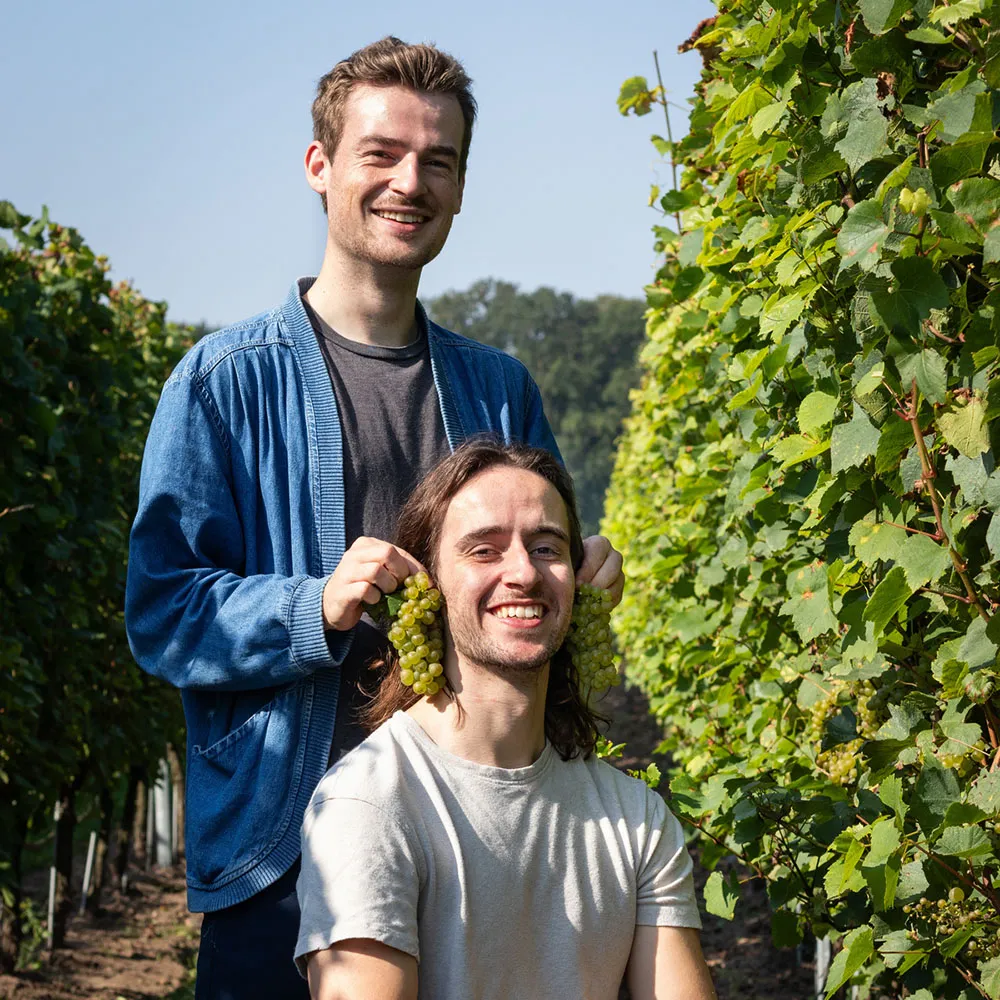
SHWUNG makes 0.0% ‘phonetic wine’: alcohol-free alternatives to sparkling, vermouth and orange wine. They sound, pair and feel like wine — but proudly aren't.