


Natural wine
Discover our carefully curated selection of natural wines from small producers — minimal intervention, without sulfites and full of authentic taste.
Wines that genuinely move us
Our favourites right now.


Naboso 

Julien Rousselot 
Loire


Malauva 
Umbria


Jeux de Vins
Alsace


Château Del Ranq
Languedoc-Roussillon


Novice
Jura


Novice
Jura


Honorie
Loire


Clemens Busch 
Moezel
Indian Summer
Wines for daydreaming about summer


Château Del Ranq
Languedoc-Roussillon


Naboso


Château Del Ranq
Languedoc-Roussillon


Rocco di Carpeneto
Piedmont

Julien Rousselot
Loire

Jeux de Vins
Alsace

Julien Rousselot
Loire


Château Del Ranq
Languedoc-Roussillon

Domaine du Trait
Loire

Malauva
Umbria

David Amling
Franconia
Glou Glou Wine
Glouglou is the kind of wine you pour without a second thought. Light, juicy and full of energy, bursting with fruit and irresistibly easy to drink. Not a heavy, complex wine, but a bottle made to be shared and enjoyed with friends.

Julien Rousselot
Loire


Château Del Ranq
Languedoc-Roussillon


Naboso

Jeux de Vins
Alsace


Honorie
Loire
Château Del Ranq
Languedoc-Roussillon
Just in
Our most recent additions — fresh from the producer and ready to be discovered.


Anne Buiatti
Languedoc-Roussillon


Anne Buiatti
Bordeaux


Anne Buiatti
Bordeaux


Anne Buiatti
Bordeaux

Anne Buiatti
Bordeaux

Anne Buiatti
Bordeaux
Autumn
Grey days, generous wines
Jeux de Vins
Alsace

Diversité
€ 17Playful Perlwein from 22 old grapes
David Amling
Franconia
Naboso
Château Del Ranq
Languedoc-Roussillon


Honorie
Loire

Rocco di Carpeneto
Piedmont

Domaine du Trait
Loire

Cidre Diversité
€ 12Cider: apple, pear, quince
David Amling
Franconia

David Amling
Franconia
Our winemakers
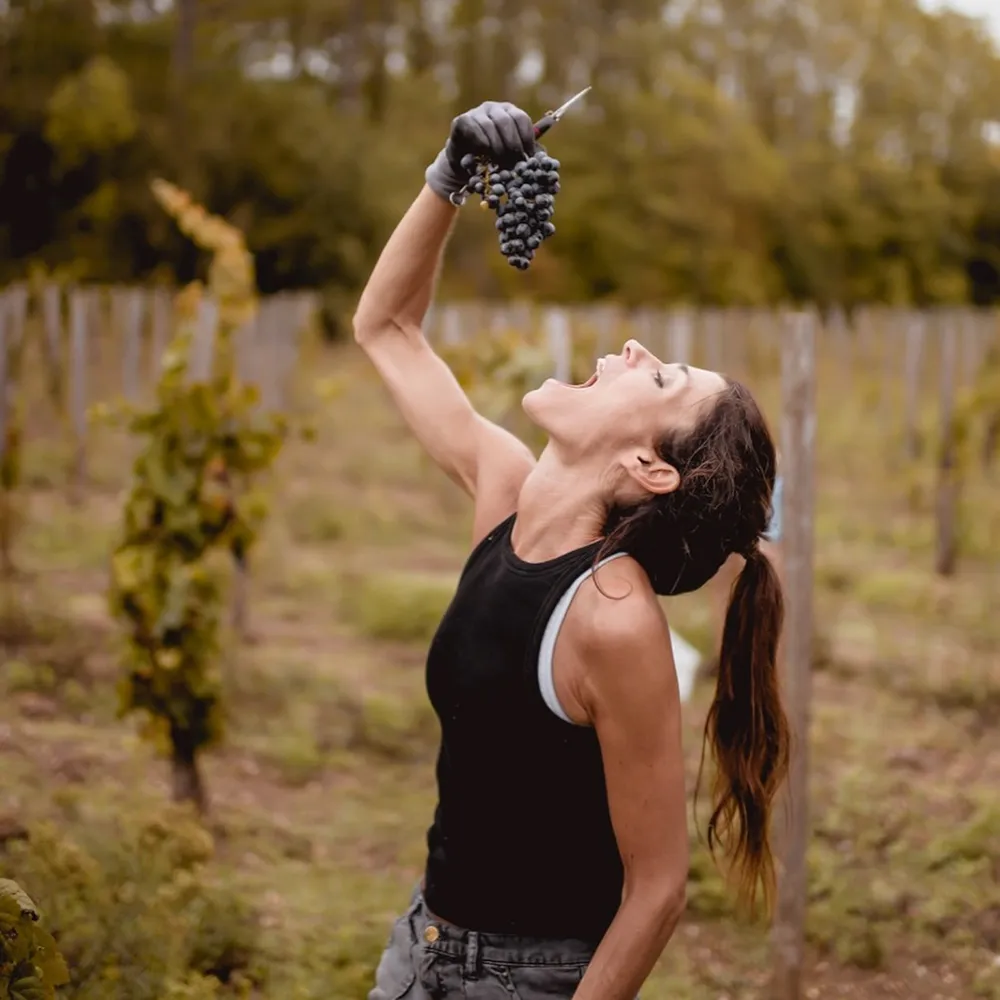
Anne Buiatti
Bordeaux & Roussillon
Winemaker, artisan and farmer — a rare combination in Bordeaux. With pickaxe, sickle and secateurs, Anne Buiatti tends her vines in the Graves and in Calce, and makes wines that taste of freedom.
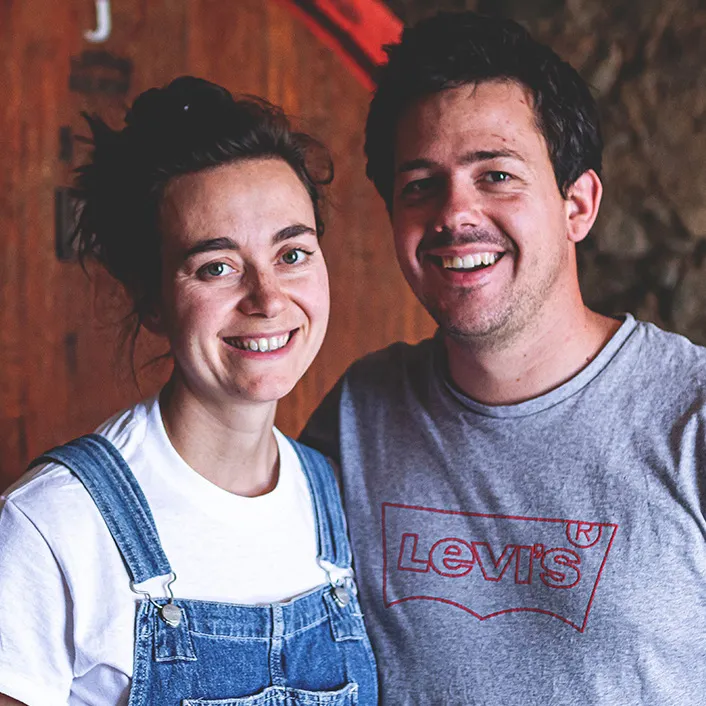
Château Del Ranq
Languedoc (Pic Saint-Loup) – Claret
Thirteen hectares of garrigue in the Pic Saint-Loup, farmed biodynamically. Every parcel vinified separately, on wild yeasts, nothing added.
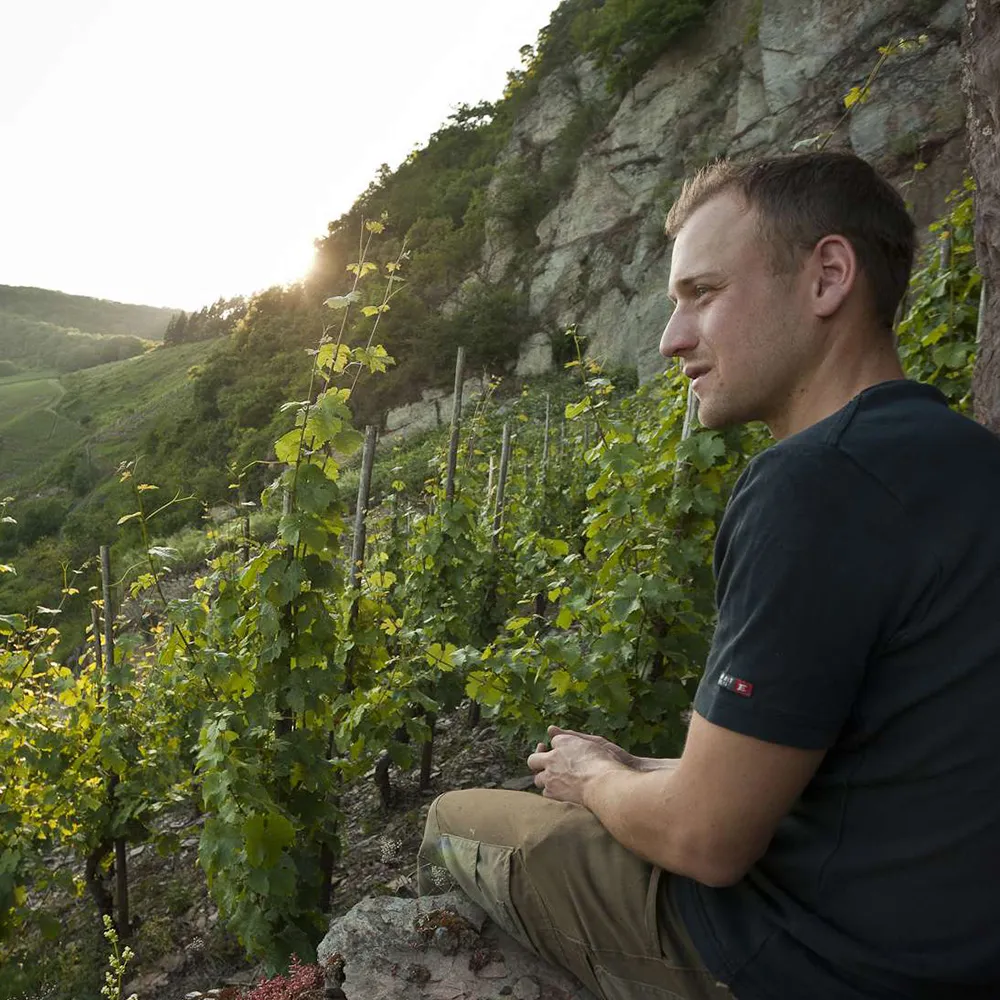
Clemens Busch
Mosel – Pünderich
Biodynamic Riesling from the Mosel's steepest slate — vinified by slate type, from taut and elegant to wild and daring.
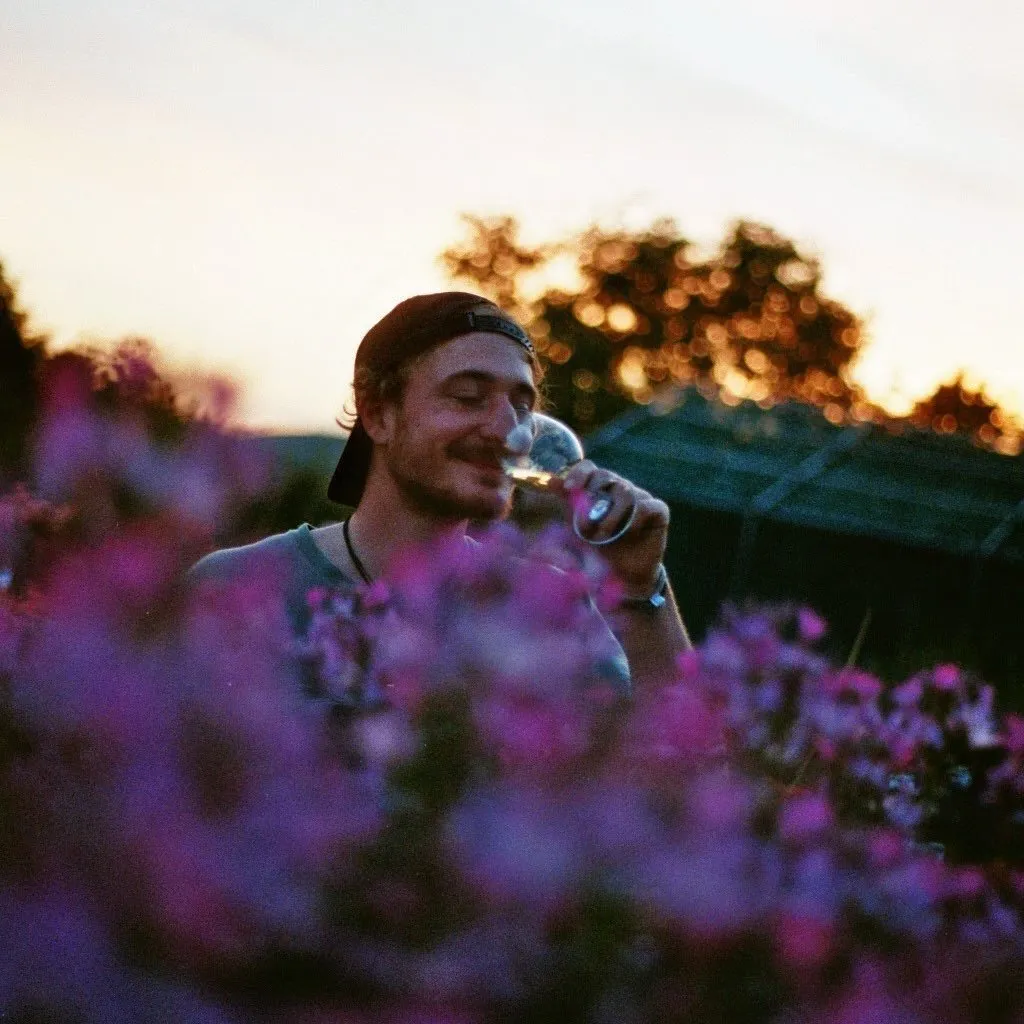
David Amling
Franconia – Würzburg
A young winemaker working in small batches with biodynamic grapes, obsessed with purity, freshness and terroir.
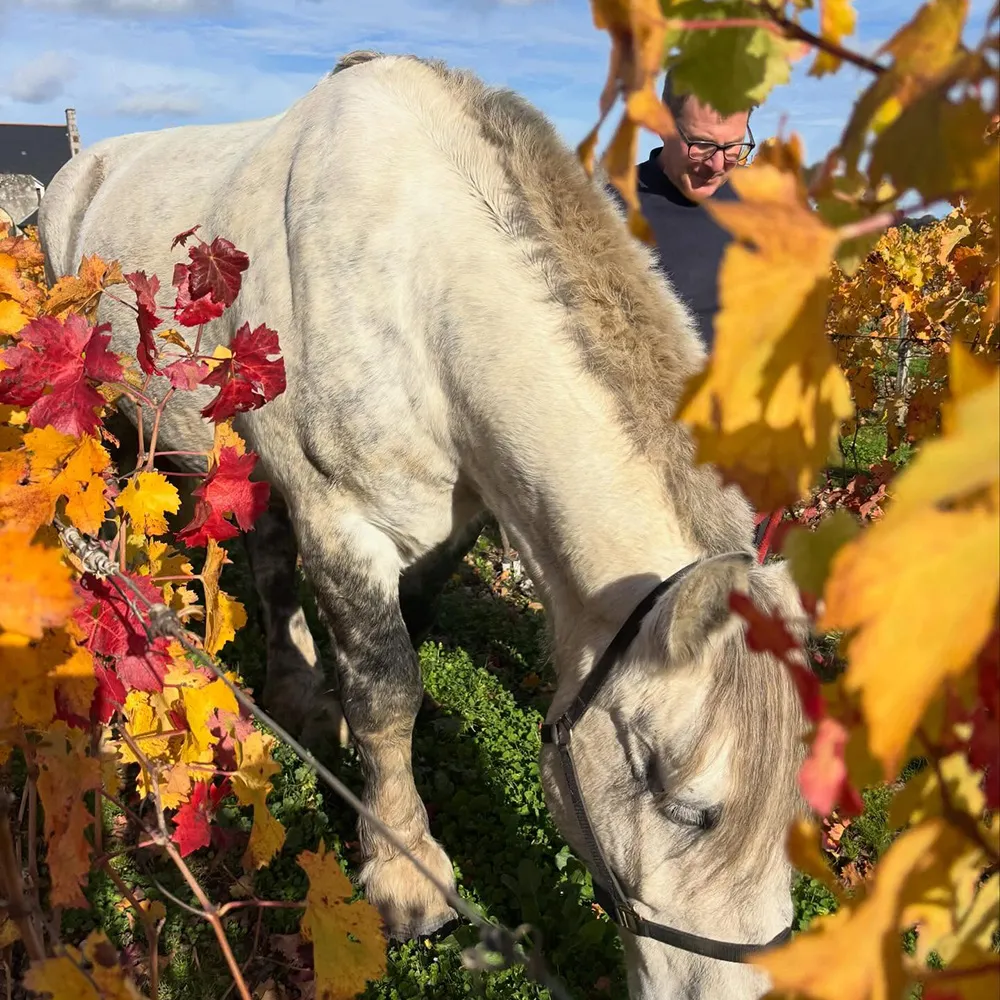
Domaine du Trait
Loire (Chinon) – Crouzilles
The home estate behind Honorie. In the heart of Chinon, Hadrien and Erwan work their vines with a draught horse — organic and free of artifice.
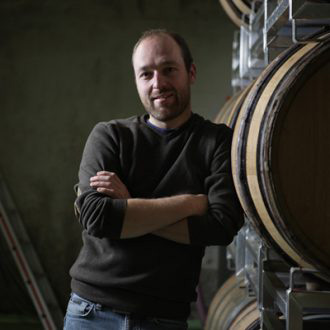
Kumpf & Meyer
Alsace – Rosheim
Family estate in Alsace, founded in 1997 — now, with winemaker Julien Albertus, a true natural-wine beacon in the region.
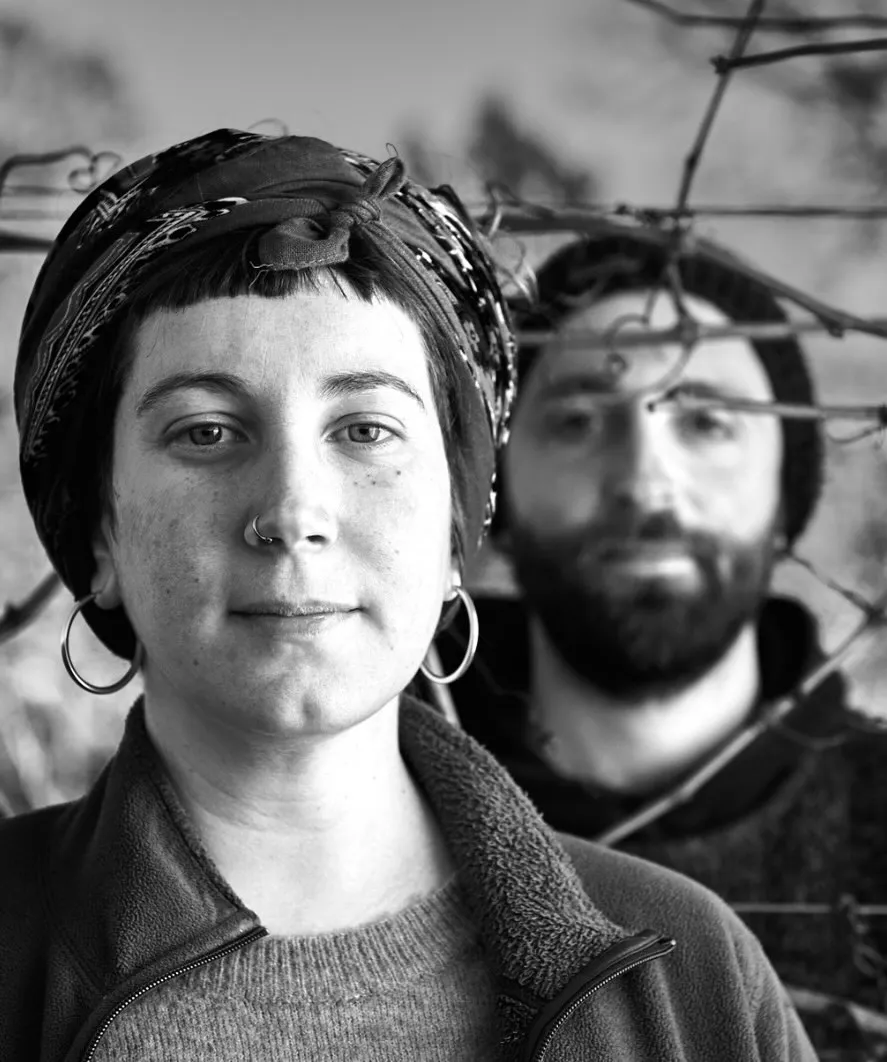
Malauva
Umbria (Alfina plateau) – Castel Giorgio
Casa agricola on the volcanic Alfina plateau, between Umbria, Lazio and Tuscany. Indigenous grapes, farmed organically — spontaneous ferments, unfiltered and unfined.
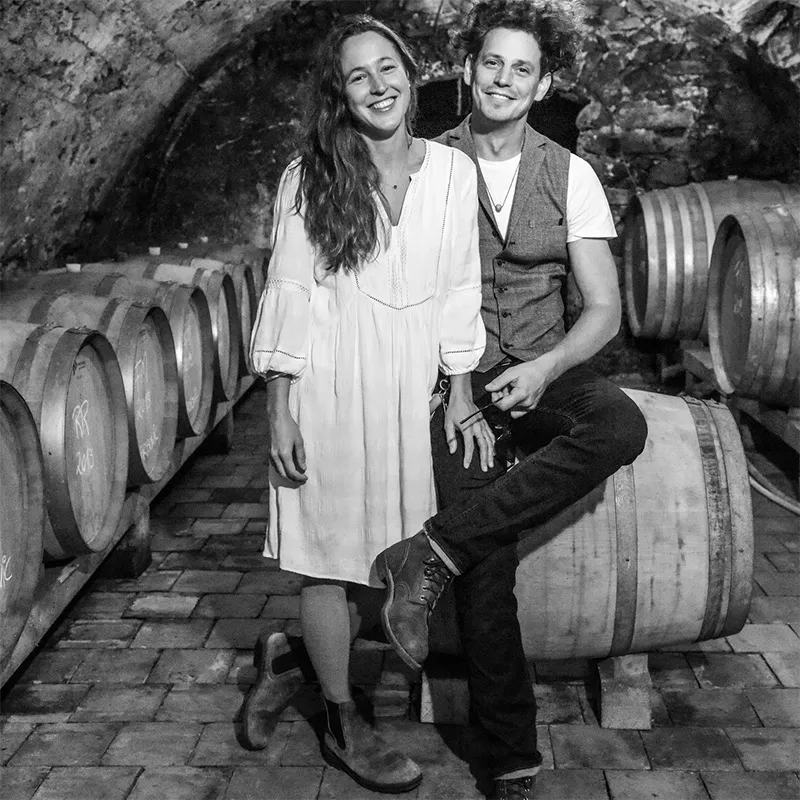
Naboso
Little Carpathians – Svätý Jur
Naboso is the project of Nadja and Andrej, a couple making natural wines with character and precision in the picturesque village of Svätý Jur — about ten minutes outside Bratislava.
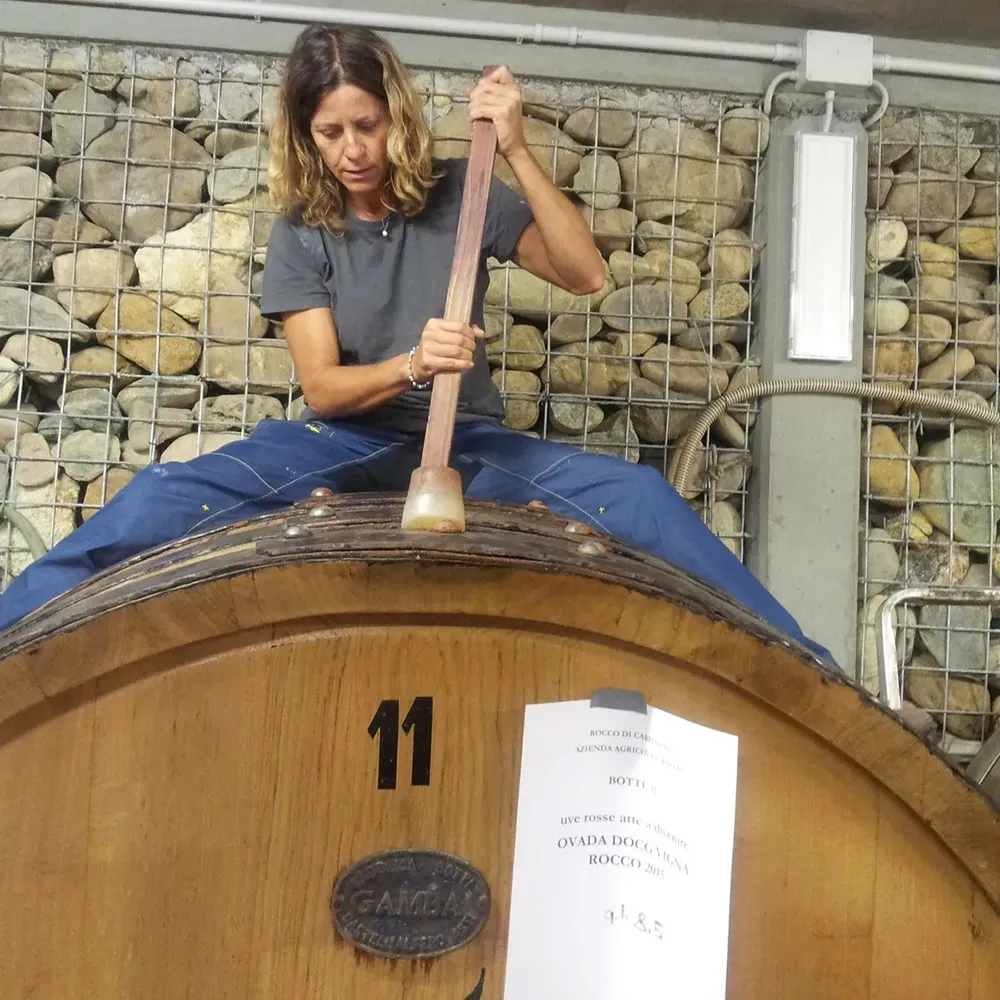
Rocco di Carpeneto
Piedmont (Alto Monferrato) – Carpeneto
A strictly natural estate in the Alto Monferrato hills, focused on indigenous grapes and radically honest wines. Member of VinNatur and RAW Wine.
SHWUNG
 Ghent
Ghent
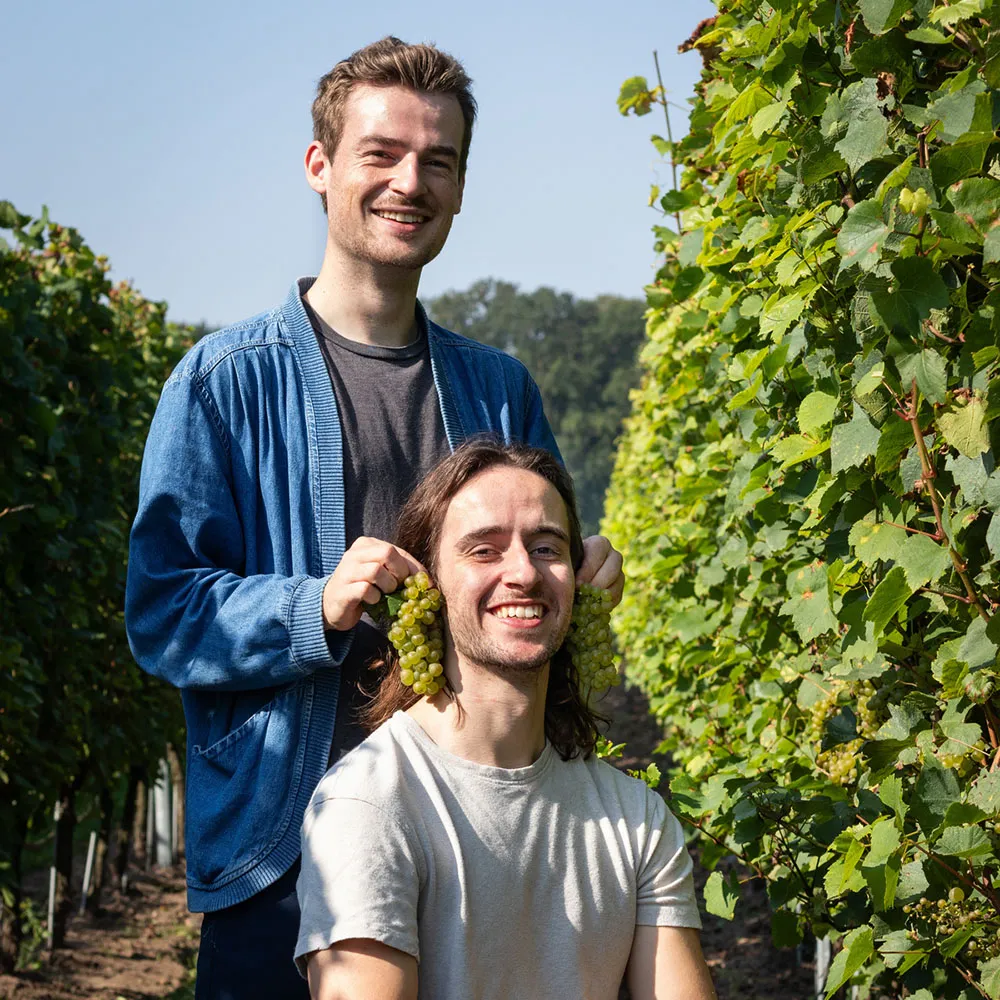
SHWUNG makes 0.0% ‘phonetic wine’: alcohol-free alternatives to sparkling, vermouth and orange wine. They sound, pair and feel like wine — but proudly aren't.
Best sellers
The bottles our customers keep coming back for.


Malauva
Umbria
Jeux de Vins
Alsace


Rocco di Carpeneto
Piedmont
Naboso

Malauva
Umbria
Jeux de Vins
Alsace
Diversité
€ 17Playful Perlwein from 22 old grapes
David Amling
Franconia
Julien Rousselot
Loire

Jeux de Vins
Alsace


Kumpf et Meyer
Alsace


Domaine du Trait
Loire


Jeux de Vins
Alsace
Our philosophy
Natural wine — what is it, really?
Natural wine is wine the way it has been made for thousands of years — from grapes, and nothing else.
No added sulphites, no commercial yeasts, no colourings or flavourings. The winemaker works with what nature provides and guides the process with as little intervention as possible.
The result? Wines with character. Alive, expressive and full of terroir. Every bottle tells the story of the soil, the climate and the hand of the maker.
Our selection
Wines that genuinely move us
Each season we travel through France, Italy, Spain and Slovakia looking for wines that surprise us. We taste, we talk to the makers, we visit the vineyards. Only the bottles that truly move us make it home.
Personal advice
Need help choosing?
Send us a message on WhatsApp. We're happy to help with a personal recommendation or a question about your order.
Chat with us on WhatsAppWhy does natural wine cost more than supermarket wine?
Natural wine is pricier than conventional wine — and for good reason. Here's why.
Natural wine vs conventional wine
Five ways natural wine is fundamentally different from industrial wine.
Organically or biodynamically grown
Often with synthetic pesticides and herbicides
Spontaneous fermentation with wild yeasts
Cultured yeasts for predictable flavour
No additions, only grape
Up to hundreds of permitted additives
Unfiltered, sometimes cloudy as a result
Filtered, sometimes with animal products like egg white or isinglass
None or very low dosage
High doses, often needed for stability
Grapes
Natural wine
Organically or biodynamically grown
Conventional wine
Often with synthetic pesticides and herbicides
Yeasts
Natural wine
Spontaneous fermentation with wild yeasts
Conventional wine
Cultured yeasts for predictable flavour
In the cellar
Natural wine
No additions, only grape
Conventional wine
Up to hundreds of permitted additives
Filtration & fining
Natural wine
Unfiltered, sometimes cloudy as a result
Conventional wine
Filtered, sometimes with animal products like egg white or isinglass
Sulphites
Natural wine
None or very low dosage
Conventional wine
High doses, often needed for stability