


Malauva
Umbria (Alfina plateau) – Castel Giorgio
Casa agricola on the volcanic Alfina plateau, between Umbria, Lazio and Tuscany. Indigenous grapes, farmed organically — spontaneous ferments, unfiltered and unfined.
6 wines


Malauva
Umbria

Malauva
Umbria

Malauva
Umbria

Malauva
Umbria


Malauva
Umbria


Malauva
Umbria
An old farmhouse, brought back to life
In 2017 the people behind Malauva bought an old stone house with 6 hectares of land — a mix of vineyards, olive trees and woodland — with the aim of reviving this centuries-old casa agricola. The estate sits in the municipality of Castel Giorgio (province of Terni), on the edge of the Alfina plateau: a vast volcanic high plain at around 550 metres of altitude, on the border between Umbria, Lazio and Tuscany.
In the vineyard
Today around 3.2 hectares of vines are farmed organically — 1.5 hectares owned, the rest rented. In March 2020 a half-hectare was planted via massal selection, with cuttings from an old vineyard where you can still find procanico, drupeggio, verdello and malvasia.
In autumn 2021 an old vigne maritata was added — a traditional “married vineyard” where fruit trees, willows, ash and maple grow alongside the vines and literally support them. A small ecosystem in itself.
The grapes that thrive here are typical of the area: procanico, drupeggio, verdello and malvasia for the whites, and sangiovese for the reds.
In the cellar
Spontaneous fermentations, no filtration, no fining and no oenological aids — that’s the Malauva cellar philosophy, short and to the point. The wines are allowed to become whatever they want to become.
The harvest
Picking usually starts in late August with the earliest varieties and runs through to late September for the reds. Everything is hand-picked, with careful field selection so that only perfectly healthy grapes reach the cellar.
The wines
At the moment Malauva makes eight wines: Malauva Bianco, Malauva Rosato, Osarella, Tierra, Rosarella, Rebelle Mariage, Rebelle Mariage Pink and Vigne Maritate. Each year new vinifications are tried, to better understand the different expressions of the grapes and broaden the range.
The project
Malauva wants to be more than a wine estate. The project aims for a small, diversified ecosystem in which vines, olive trees, vegetable gardens and animals are connected — producing food in a natural and respectful way, in dialogue with the place.
Our other winemakers
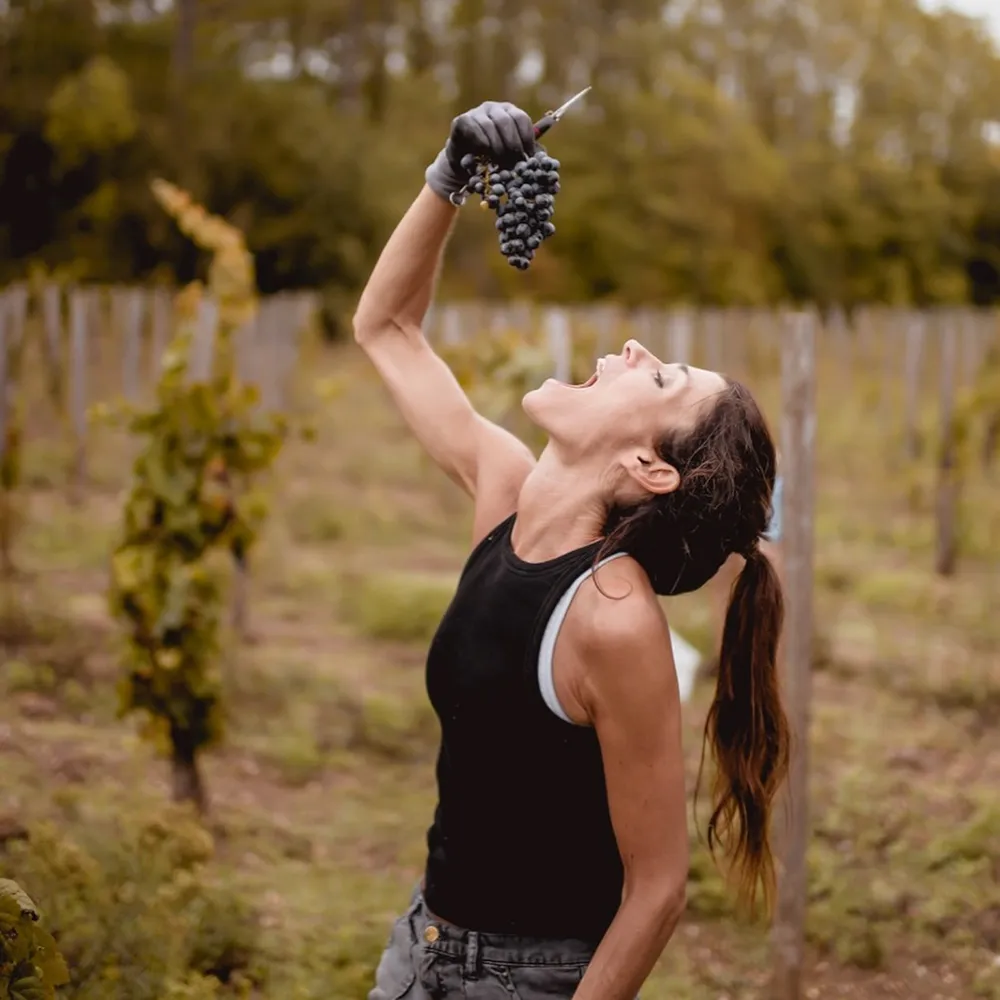
Anne Buiatti
 Bordeaux & Roussillon
Winemaker, artisan and farmer — a rare combination in Bordeaux. With pickaxe, sickle and secateurs, Anne Buiatti tends her vines in the Graves and in Calce, and makes wines that taste of freedom.
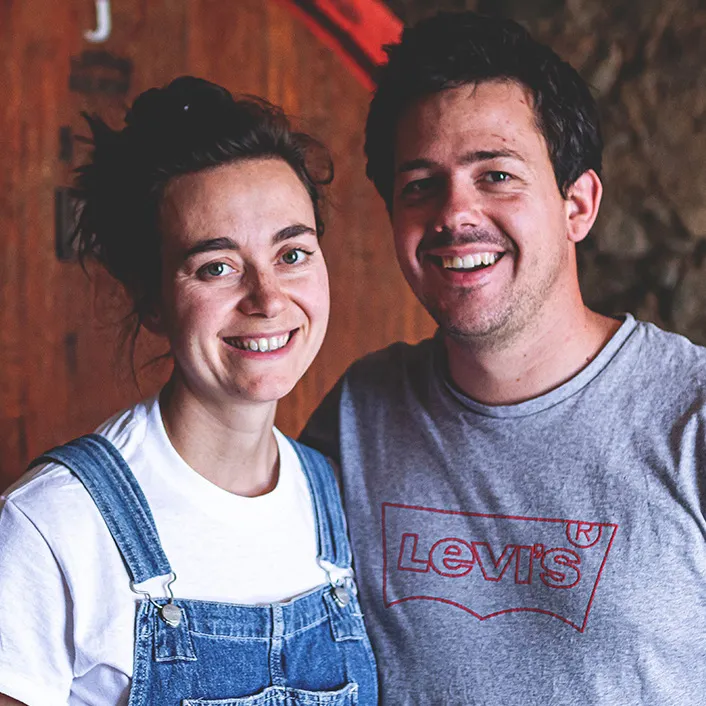
Château Del Ranq
Languedoc (Pic Saint-Loup) – Claret
Thirteen hectares of garrigue in the Pic Saint-Loup, farmed biodynamically. Every parcel vinified separately, on wild yeasts, nothing added.
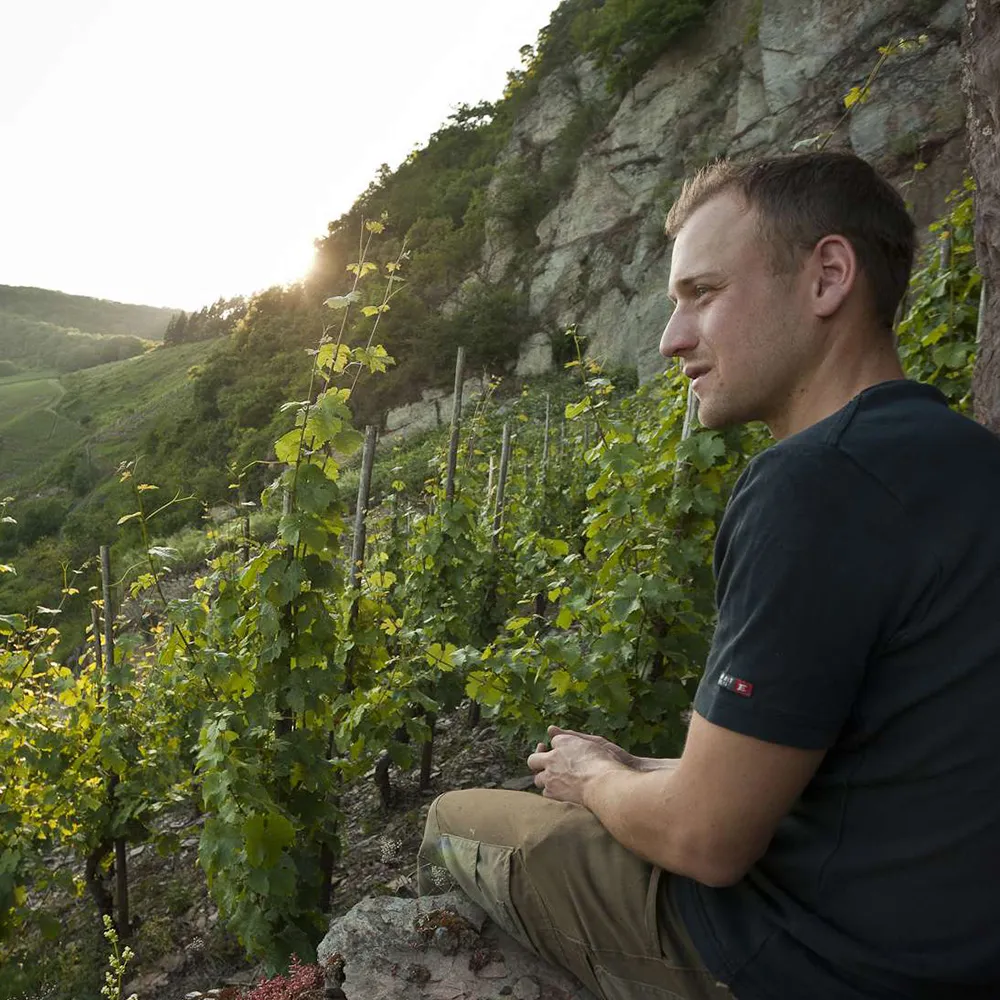
Clemens Busch
 Mosel – Pünderich
Biodynamic Riesling from the Mosel's steepest slate — vinified by slate type, from taut and elegant to wild and daring.
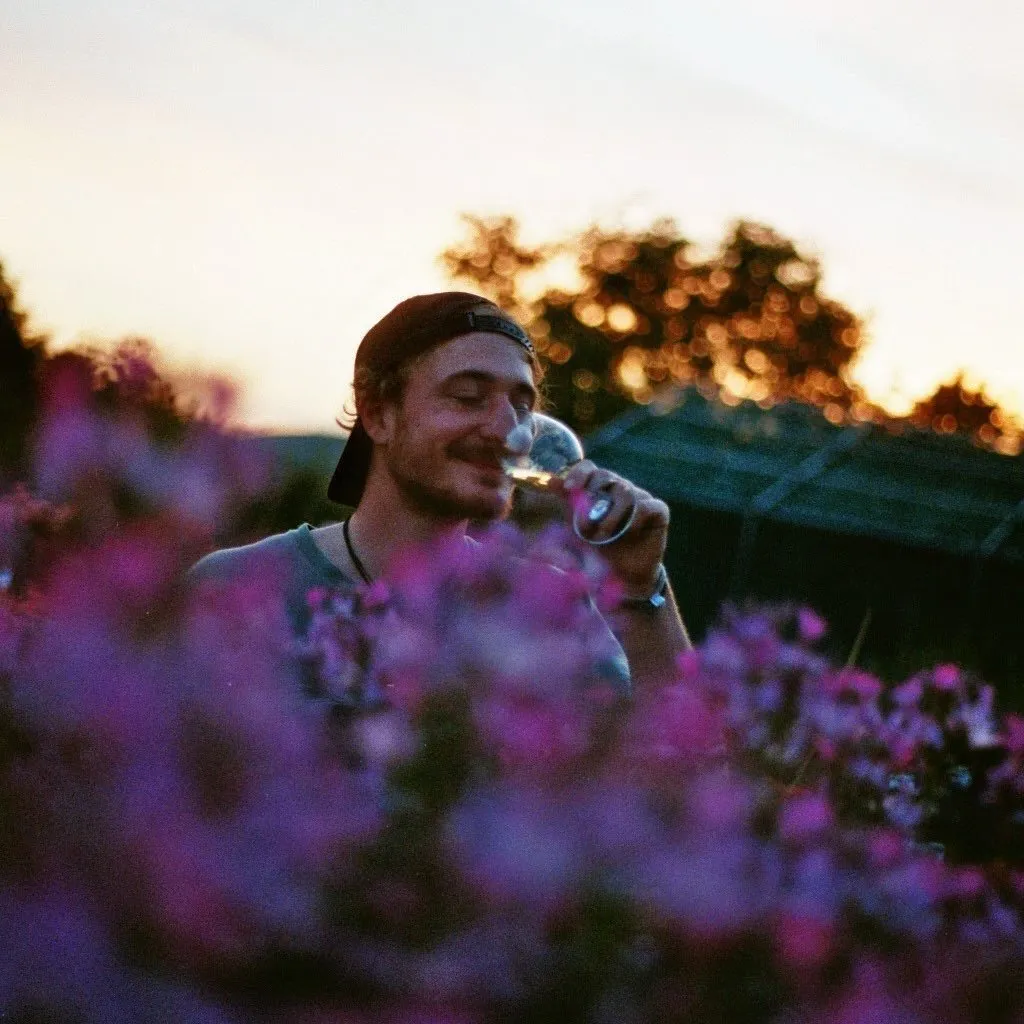
David Amling
Franconia – Würzburg
A young winemaker working in small batches with biodynamic grapes, obsessed with purity, freshness and terroir.
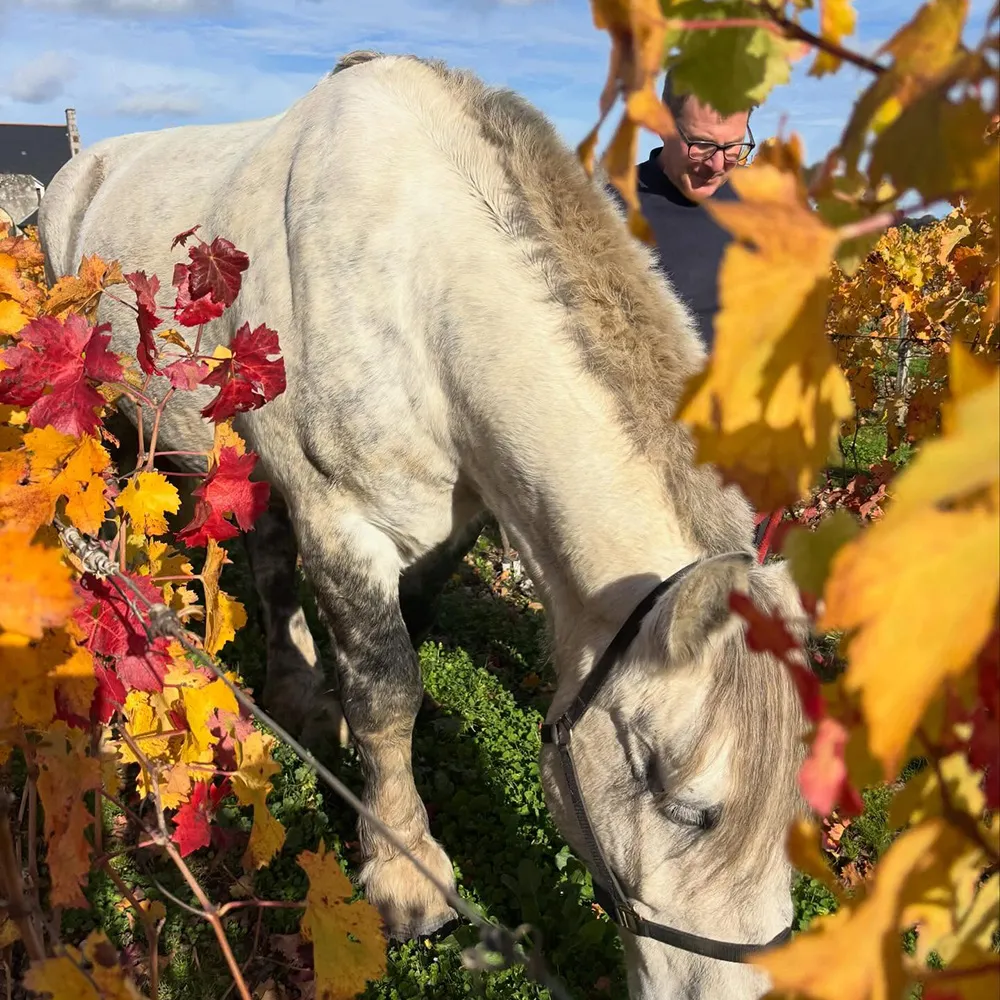
Domaine du Trait
Loire (Chinon) – Crouzilles
The home estate behind Honorie. In the heart of Chinon, Hadrien and Erwan work their vines with a draught horse — organic and free of artifice.
Kumpf & Meyer
Alsace – Rosheim
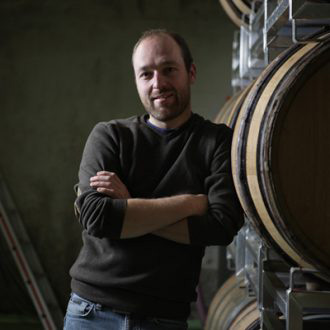
Family estate in Alsace, founded in 1997 — now, with winemaker Julien Albertus, a true natural-wine beacon in the region.
Naboso
 Little Carpathians – Svätý Jur
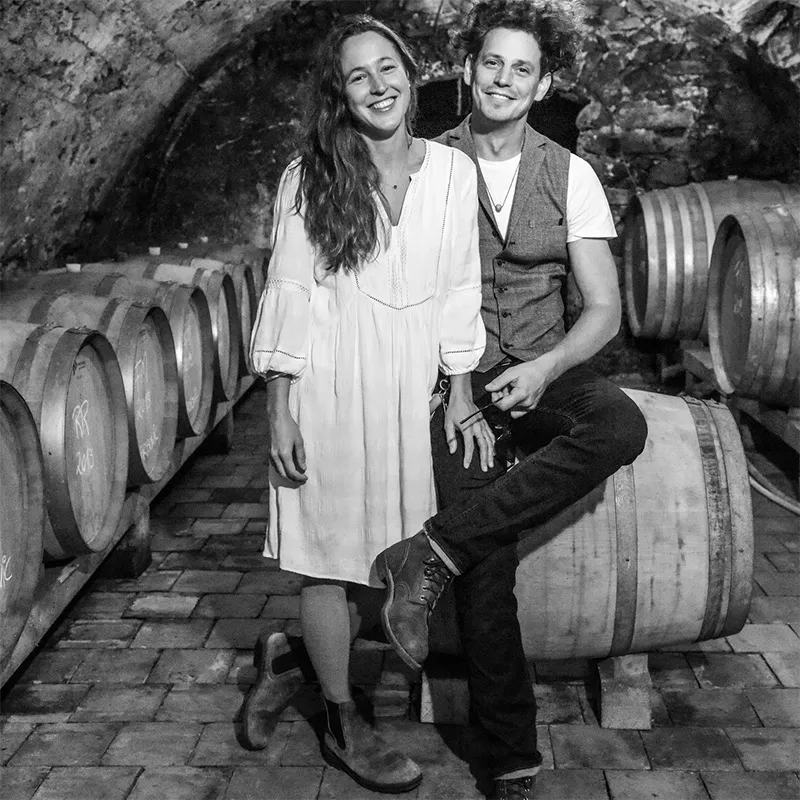
Naboso is the project of Nadja and Andrej, a couple making natural wines with character and precision in the picturesque village of Svätý Jur — about ten minutes outside Bratislava.
Rocco di Carpeneto
Piedmont (Alto Monferrato) – Carpeneto
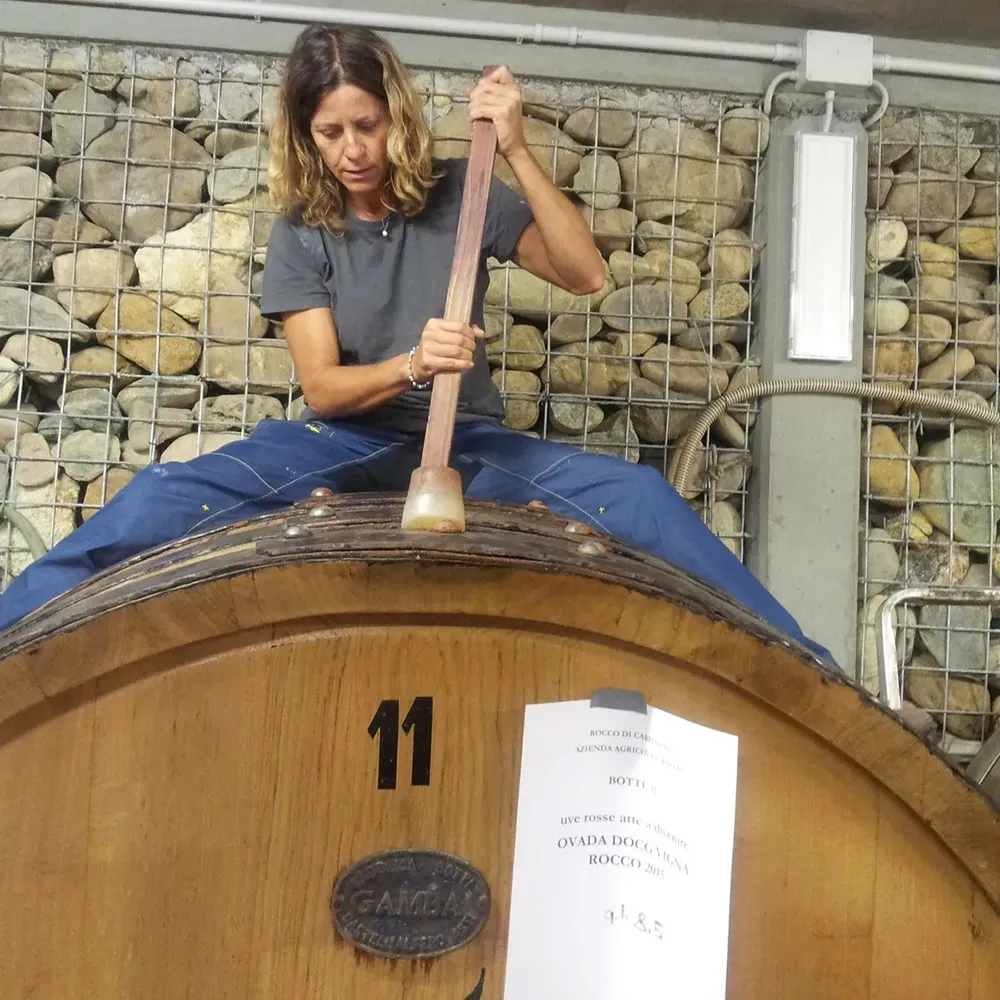
A strictly natural estate in the Alto Monferrato hills, focused on indigenous grapes and radically honest wines. Member of VinNatur and RAW Wine.
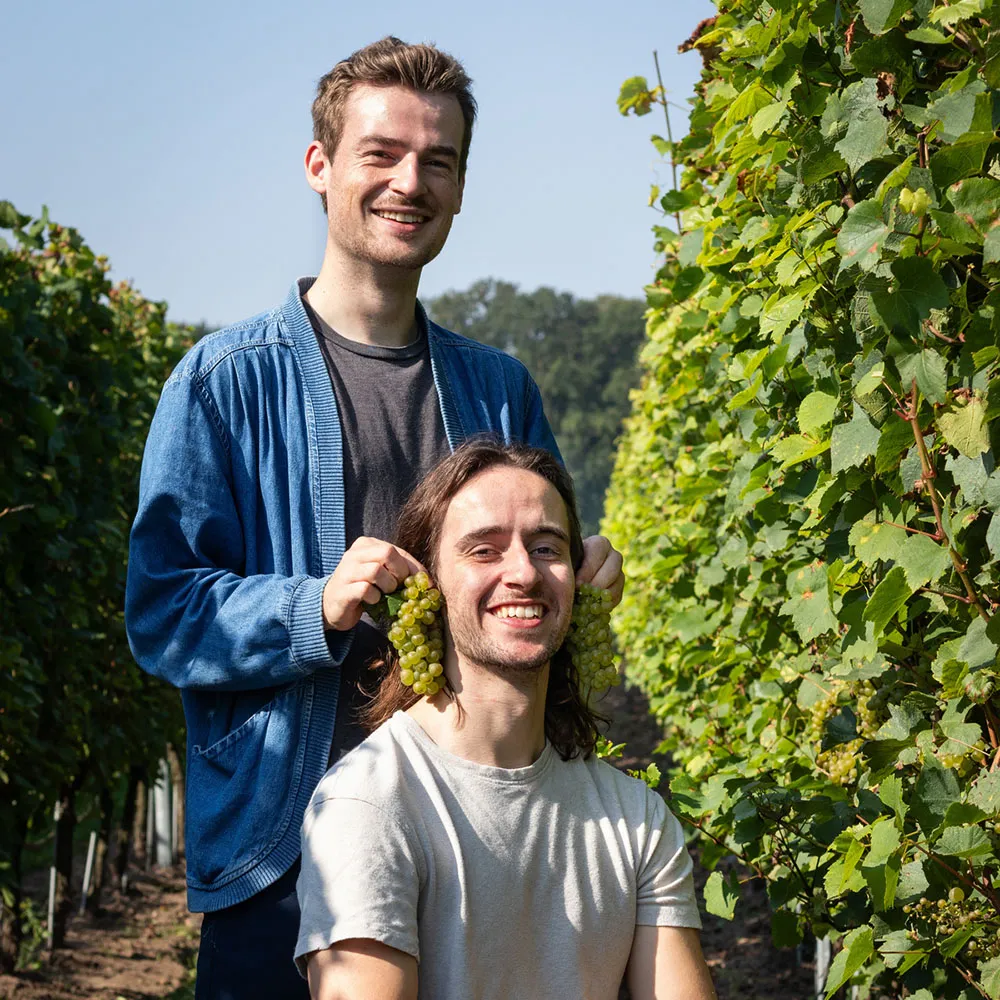
SHWUNG
 Ghent
Ghent
SHWUNG makes 0.0% ‘phonetic wine’: alcohol-free alternatives to sparkling, vermouth and orange wine. They sound, pair and feel like wine — but proudly aren't.