


Champagne Chavost
Champagne
A village co-operative founded in 1946 in Chavot-Courcourt, reinvented since 2019 as a singular house making Champagne with no added sulphites and no dosage. Pure, naked bubbles with a comic strip on the label.
6 wines


Champagne Chavost
Champagne


Champagne Chavost
Champagne


Champagne Chavost
Champagne


Champagne Chavost
Champagne


Champagne Chavost
Champagne


Champagne Chavost
Champagne
From village co-op to natural Champagne
In 1946, some twenty growers in Chavot-Courcourt decided to join forces. Each owned a few plots; none had enough to make Champagne alone. Together they founded a co-operative and gave it the old name of their village: Chavost. For decades it ran like so many Champagne co-ops: pool the grapes, make sound Champagne, ask few questions.
At the end of 2019, that changed. Fabian Daviaux, a trained oenologist who had spent more than ten years making wine around the world, took over the cellar. He persuaded the members to make a radical turn: farm organically and make Champagne with no added sulphites. For a co-operative in Champagne, that is not a small step. It is almost unheard of.
Chavot-Courcourt, at the foot of Mont-Félix
Chavot-Courcourt lies in the Coteaux Sud d’Épernay, the slopes just south of Épernay where the Marne Valley meets the Côte des Blancs. The house sits at the foot of Mont-Félix, close to the village church of Saint-Martin. Around it, Chavost today works some five hectares of vines on clay and limestone, with several plots facing north. That cooler exposure gives the wines their freshness and tension, even in warm years.
All three classic Champagne grapes grow side by side here: pinot noir, chardonnay and above all meunier, the grape that is at home in this corner of the region and that Chavost honours with a cuvée of its own.
In the vineyard
When he arrived, Fabian converted the vineyard to organic farming. The aim is simple: intervene as little as possible, keep the soil alive and harvest grapes healthy enough to become wine without a safety net. Picking is by hand, at full ripeness.
In the cellar: add nothing, take nothing away
What sets Chavost apart is mostly what does not happen in the cellar. No commercial yeasts, no enzymes, no tannins, no charcoal, no chaptalisation. No fining and no filtration. Fermentation starts spontaneously with the grapes’ own yeasts, and malolactic fermentation is left to run its course.
Then come Champagne’s two great taboos: Chavost adds no sulphites and no dosage.
No sugar is added after disgorgement, so every cuvée is brut nature. What you taste is the wine itself, without make-up. Without sulphites or sugar there is nowhere to hide: the grapes must be flawless and every step in the cellar must be right. That makes these Champagnes riskier to produce, which partly explains their small volumes and their price.
Labels like a comic strip
Fabian also did away with classic labels. His brother, who has always drawn, illustrates each cuvée with its own comic-strip label: the co-op, the vineyards, the harvest, the people of the village. Line the bottles up and you read the story of Chavost.
The cuvées
Champagne without compromise. Every cuvée is brut nature and made with no added sulphites.
Blanc d’Assemblage
The house’s entry point, but no ordinary entry-level wine. A blend of white and black grapes, pairing the freshness of chardonnay with the juicy fruit of meunier. Fresh, lively and full of juice: the Champagne to open an evening with.
Paradoxe
A blend across several vintages, where wines from different years come together as one balanced Champagne. Taut, energetic and chalky, with citrus and green apple. For lovers of precise, pure Champagne.
Blanc de Meunier
One hundred percent meunier, first pressing only, fermented in stainless steel. A blanc de noirs that is wine first and bubbles second: red fruit, juice and character. Meunier is often seen as the lesser of the three Champagne grapes; this cuvée proves otherwise.
Rosé Brut Nature
A rosé de saignée from pinot noir and meunier. In a saignée rosé the juice stays in contact with the skins until it has drawn out colour and flavour. The result is a powerful, dry rosé with red fruit and bright acidity, as at home at the table as with an aperitif.
Eurêka!
The pinnacle of the Chavost range. Chardonnay and meunier from clay-limestone soils, hand-harvested, with spontaneous fermentation at every stage. Pure and deep, with juicy apple, lemon zest and fine brioche. The cuvée to open when there is truly something to celebrate, or to let unfold slowly in a large wine glass.
Ratafia Champenois
Not a Champagne, but a piece of Champagne tradition. Chardonnay and meunier must is fortified with grape spirit and aged in very old casks in a solera, where younger wine continually tops up the older. Bottled with no added sulphites and unfiltered. Sweet, deep and warming: lovely as an aperitif, with aged cheeses, dried fruit or crème brûlée.
Which Chavost to choose?
- For an aperitif or a first encounter: Blanc d’Assemblage.
- For lovers of taut, mineral, chalky Champagne: Paradoxe.
- For drinking Champagne as a wine, with food: Blanc de Meunier or Rosé Brut Nature.
- For a big occasion or a memorable gift: Eurêka!
- To finish, with cheese or dessert: Ratafia Champenois.
How to serve Chavost
Don’t serve these Champagnes ice-cold: they show best at around 8–10 °C, and the Blanc de Meunier, the rosé and Eurêka! happily take a little warmer. Choose a wine glass over a narrow flute so the wine can breathe. Because they have no added sulphites, store bottles lying down, cool and dark, and finish an opened bottle within a day or two.
Our other winemakers
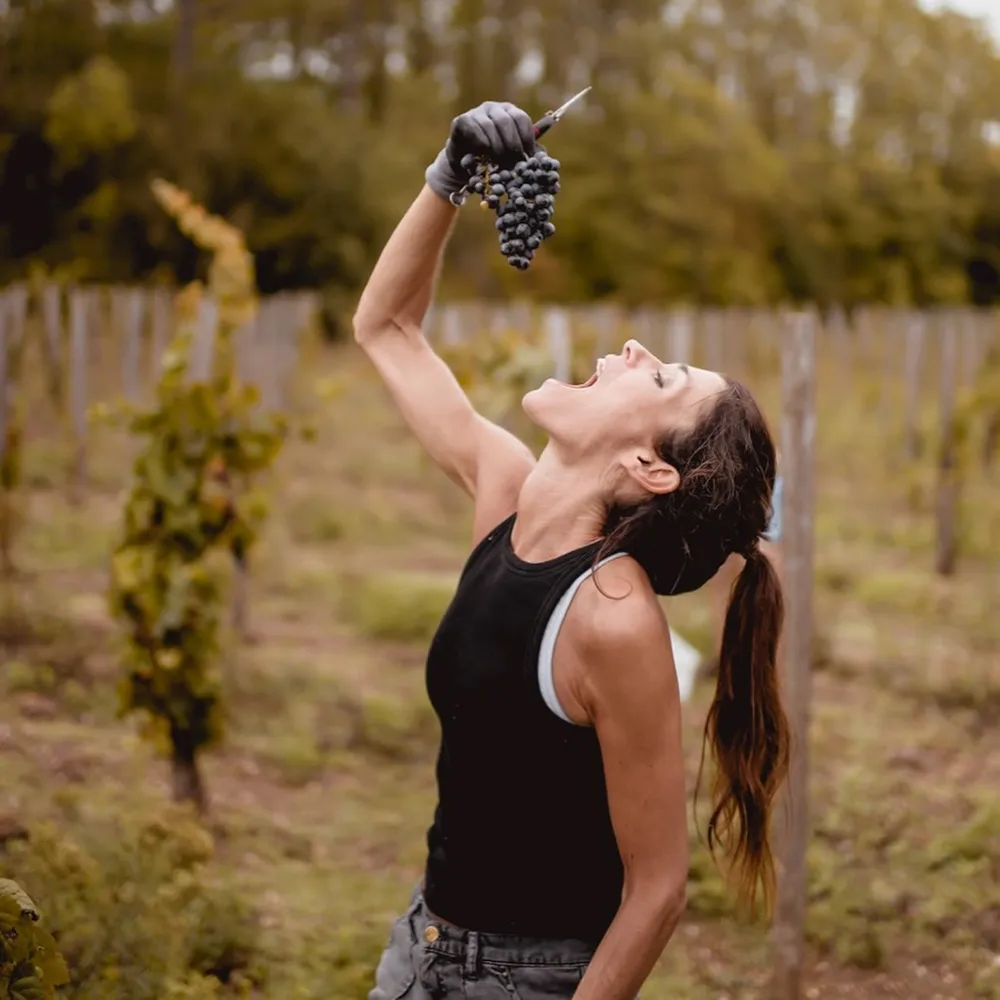
Anne Buiatti
Bordeaux & Roussillon
Winemaker, artisan and farmer — a rare combination in Bordeaux. With pickaxe, sickle and secateurs, Anne Buiatti tends her vines in the Graves and in Calce, and makes wines that taste of freedom.
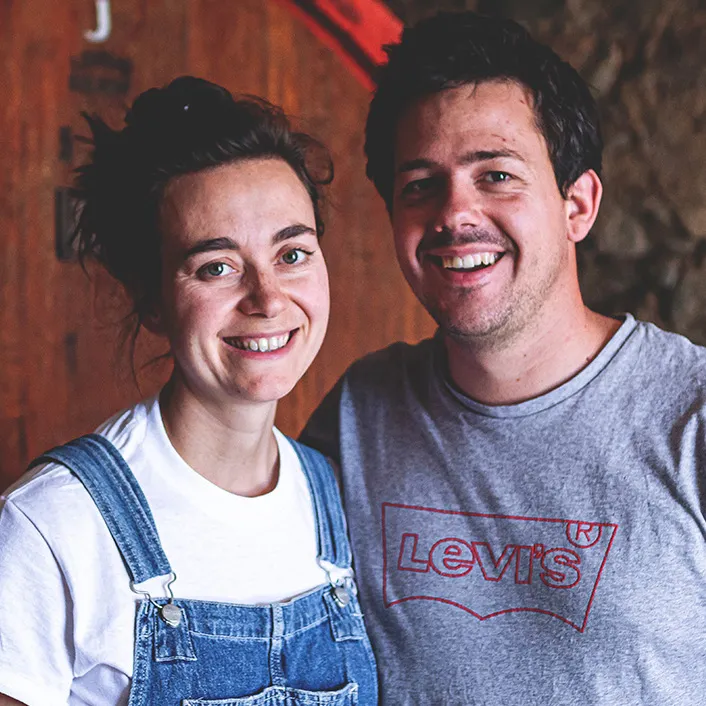
Château Del Ranq
Languedoc (Pic Saint-Loup) – Claret
Thirteen hectares of garrigue in the Pic Saint-Loup, farmed biodynamically. Every parcel vinified separately, on wild yeasts, nothing added.
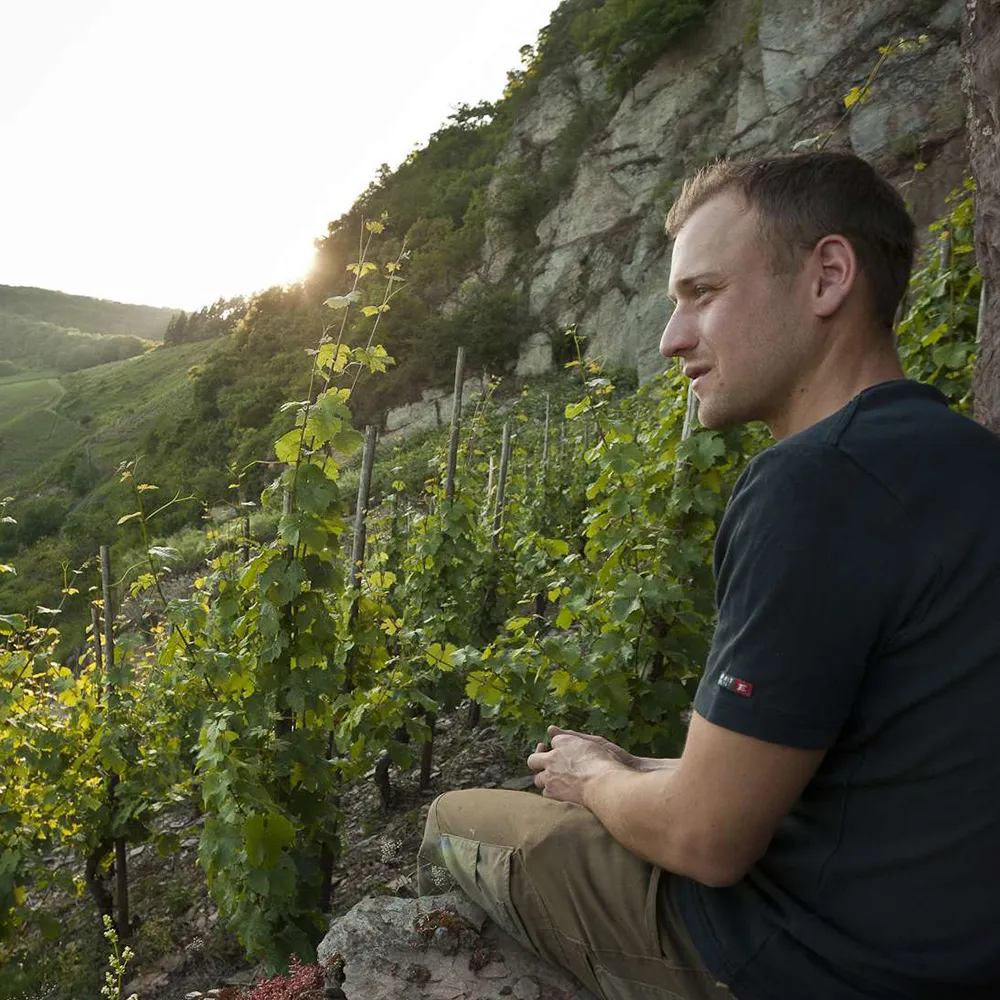
Clemens Busch
 Mosel – Pünderich
Biodynamic Riesling from the Mosel's steepest slate — vinified by slate type, from taut and elegant to wild and daring.
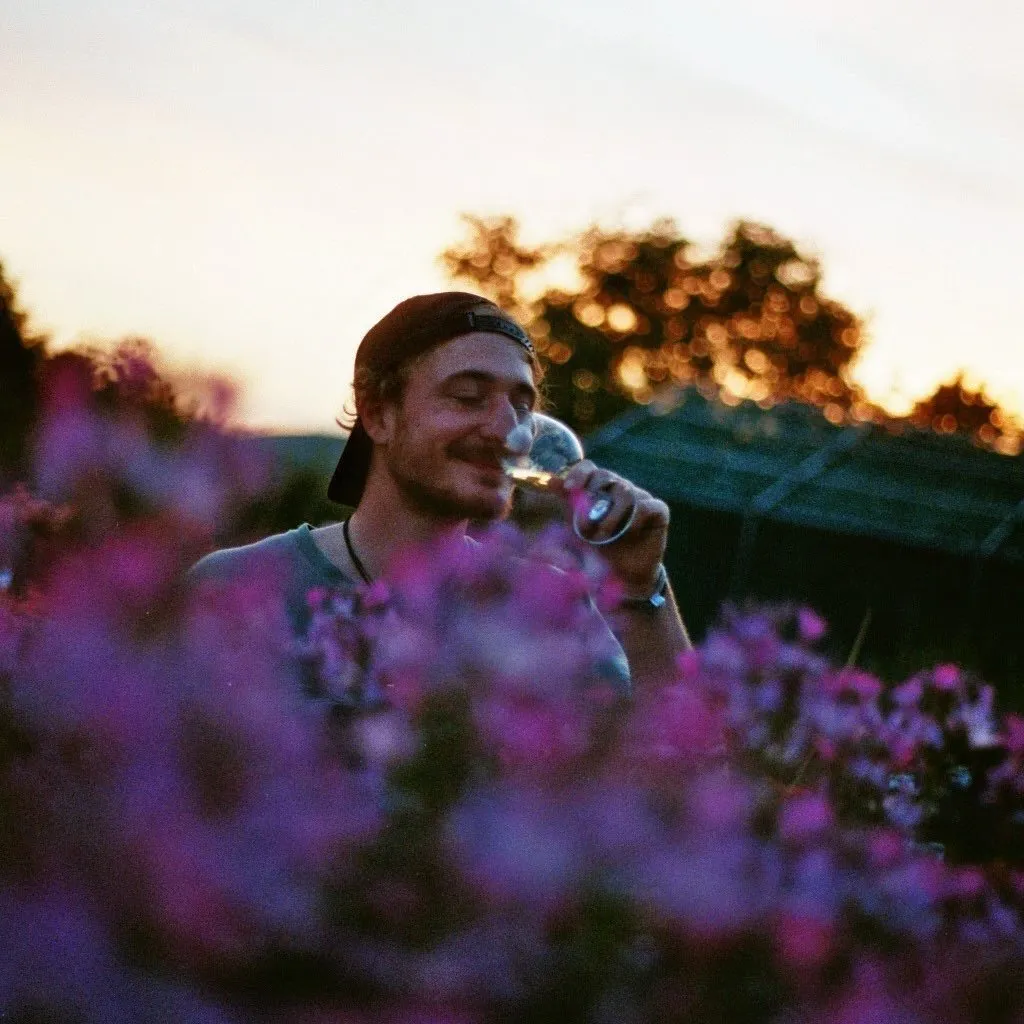
David Amling
Franconia – Würzburg
A young winemaker working in small batches with biodynamic grapes, obsessed with purity, freshness and terroir.
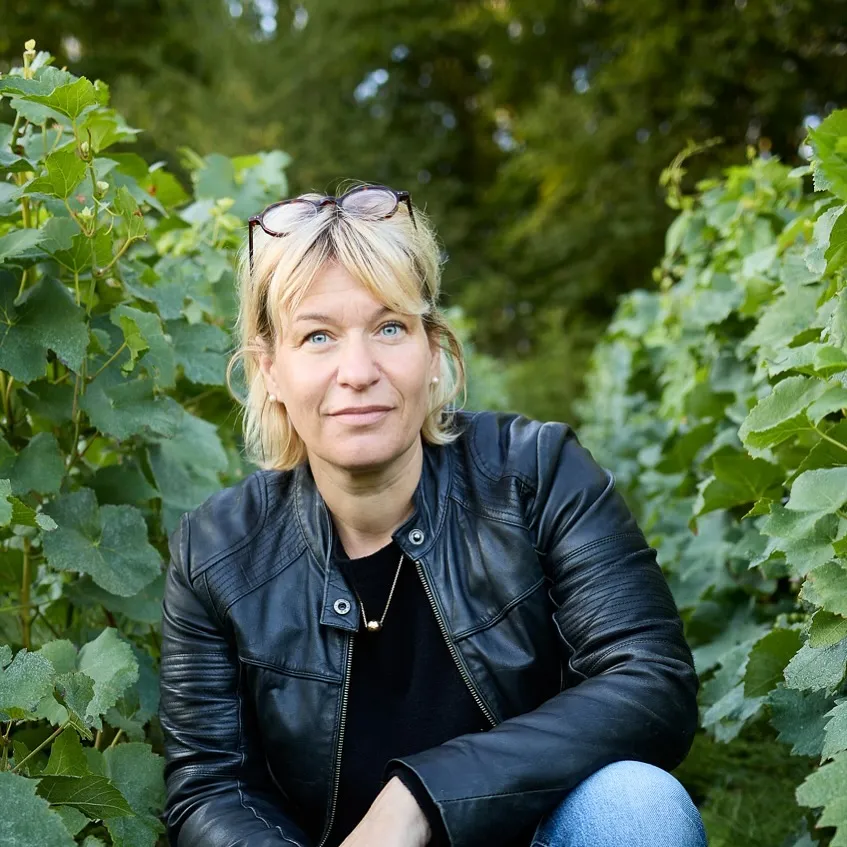
Domaine des Arondes
Champagne
A tiny family estate in Avenay-Val-d’Or, where Marie-Marjorie Laurent makes champagne on three hectares of chalk: no malo, long ageing and barely any dosage. Honest bubbles that taste of their village.
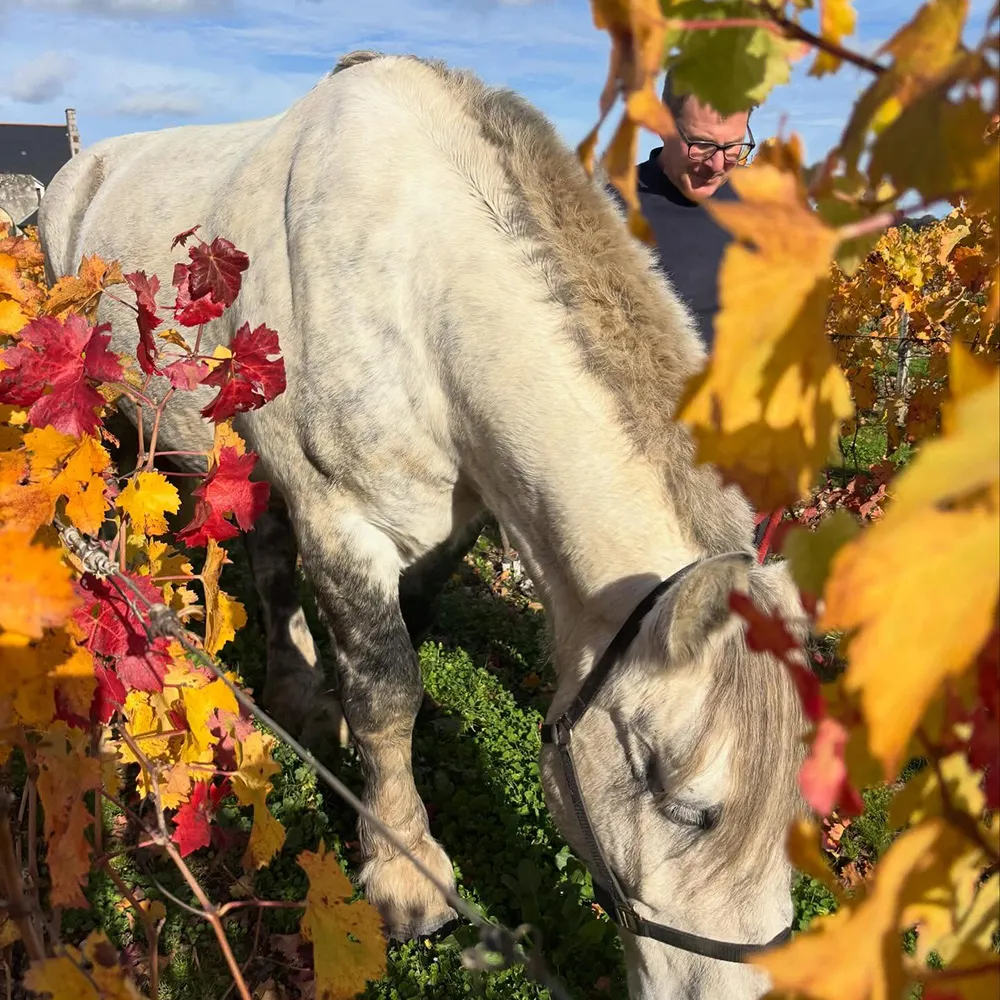
Domaine du Trait
Loire (Chinon) – Crouzilles
The home estate behind Honorie. In the heart of Chinon, Hadrien and Erwan work their vines with a draught horse — organic and free of artifice.
Kumpf & Meyer
Alsace – Rosheim
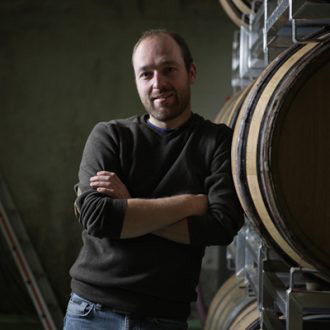
Family estate in Alsace, founded in 1997 — now, with winemaker Julien Albertus, a true natural-wine beacon in the region.
Malauva
 Umbria (Alfina plateau) – Castel Giorgio
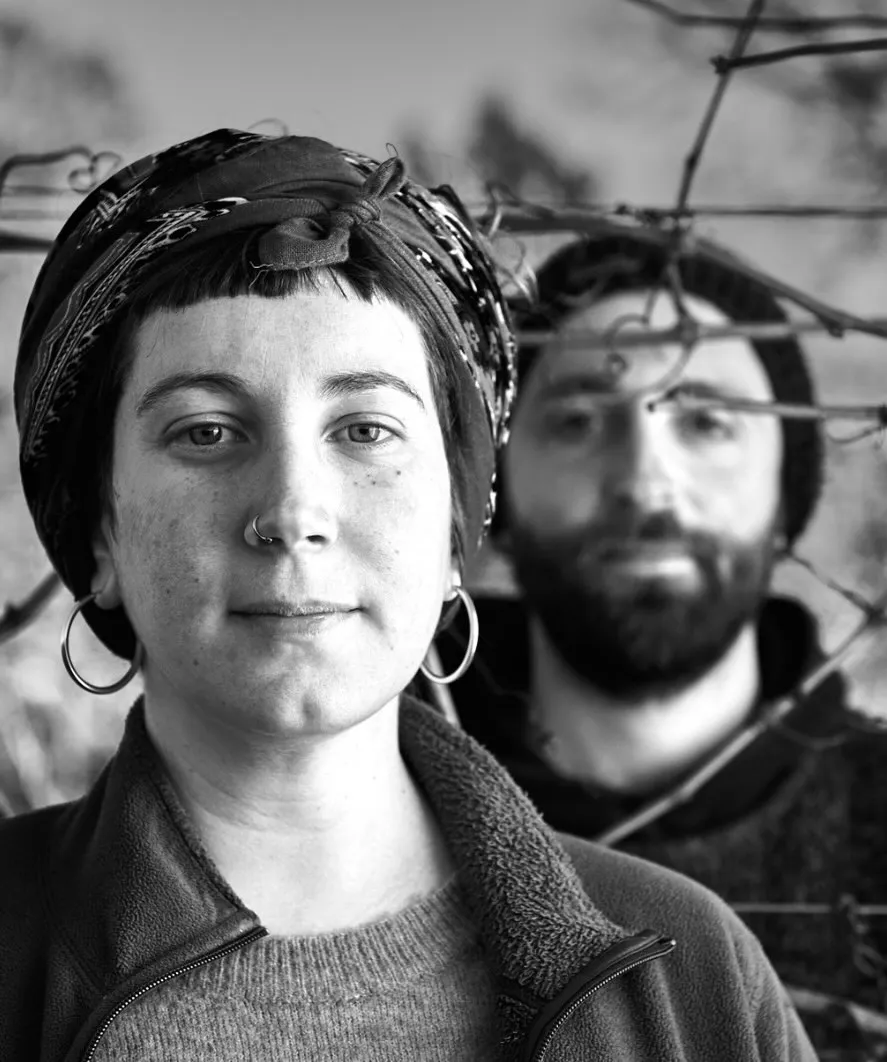
Casa agricola on the volcanic Alfina plateau, between Umbria, Lazio and Tuscany. Indigenous grapes, farmed organically — spontaneous ferments, unfiltered and unfined.
Naboso
 Little Carpathians – Svätý Jur
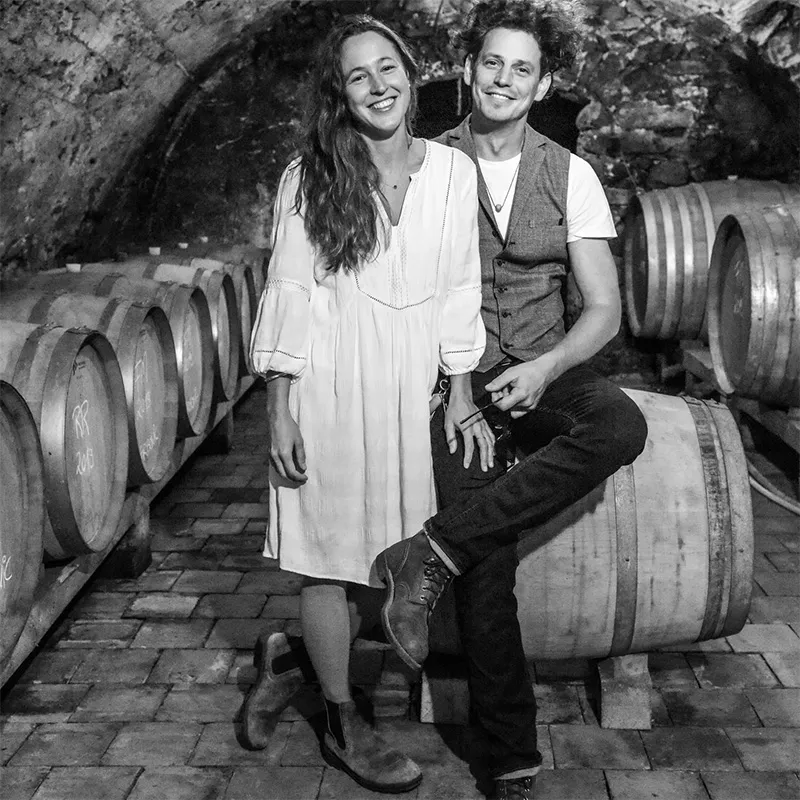
Naboso is the project of Nadja and Andrej, a couple making natural wines with character and precision in the picturesque village of Svätý Jur — about ten minutes outside Bratislava.
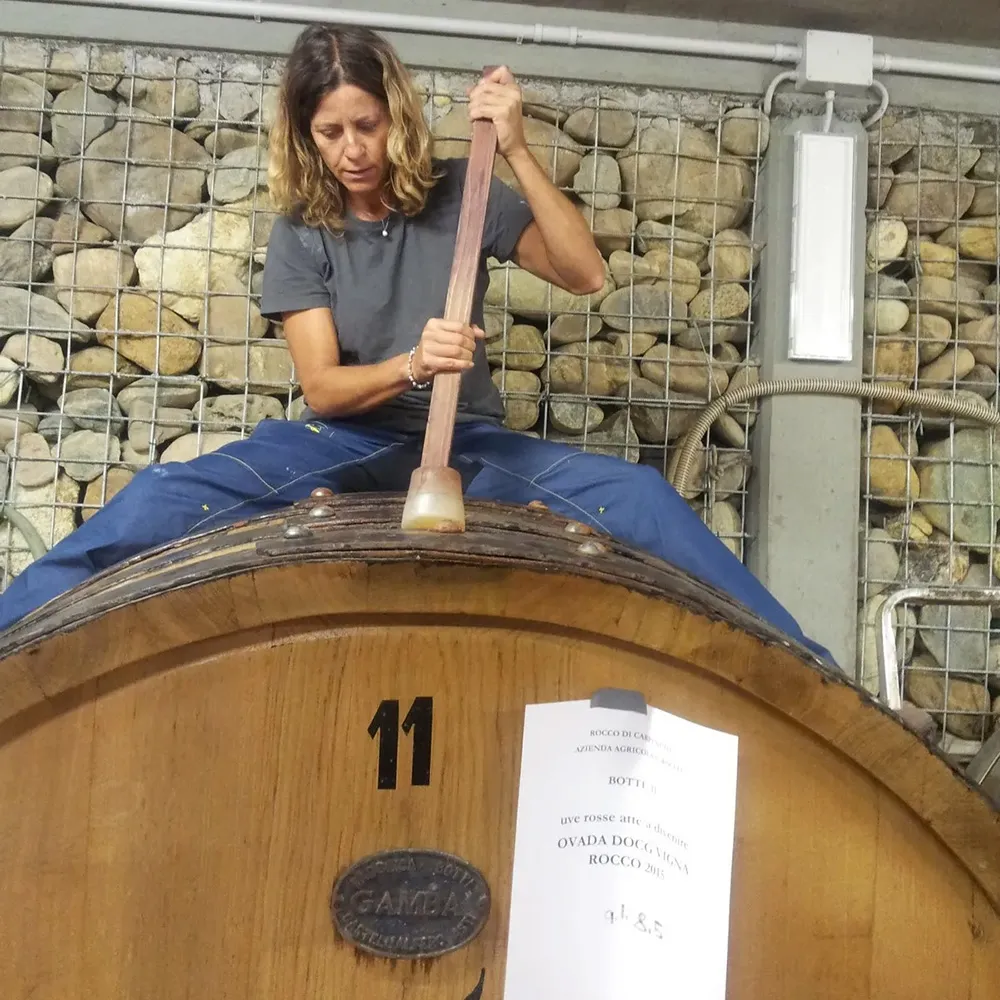
Rocco di Carpeneto
Piedmont (Alto Monferrato) – Carpeneto
A strictly natural estate in the Alto Monferrato hills, focused on indigenous grapes and radically honest wines. Member of VinNatur and RAW Wine.
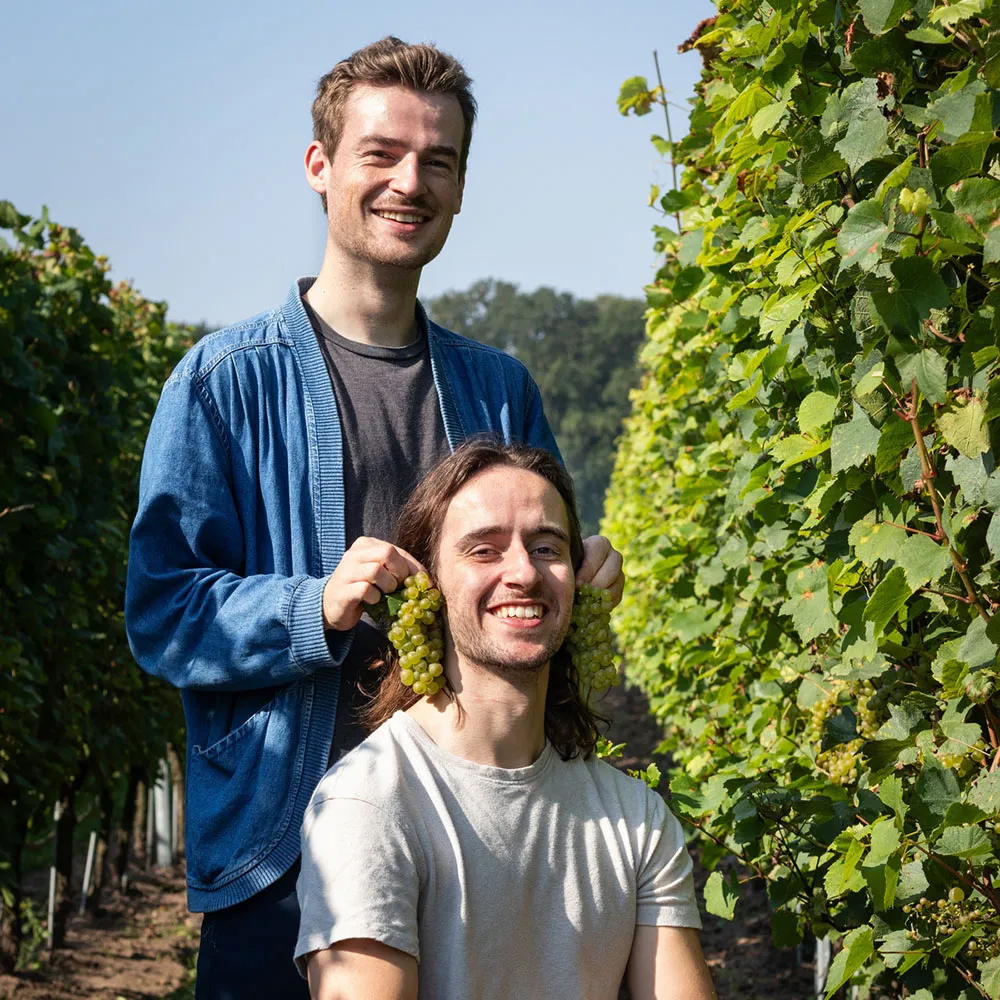
SHWUNG
 Ghent
SHWUNG makes 0.0% ‘phonetic wine’: alcohol-free alternatives to sparkling, vermouth and orange wine. They sound, pair and feel like wine — but proudly aren't.